Women Supporting Women: A Landmark Dialogue on Inclusion and Opportunity in Ghana’s Fisheries Sector
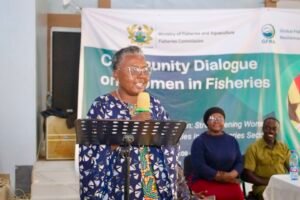
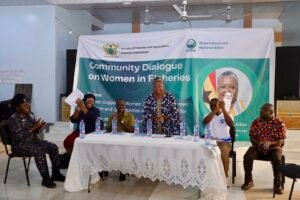
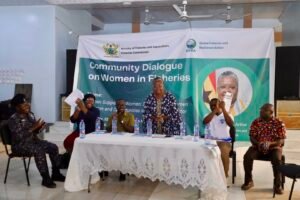
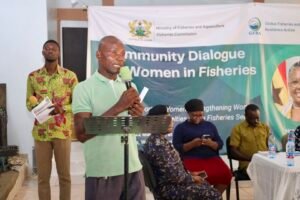
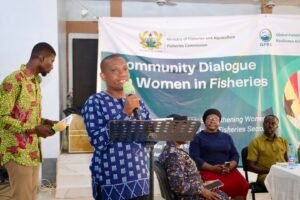
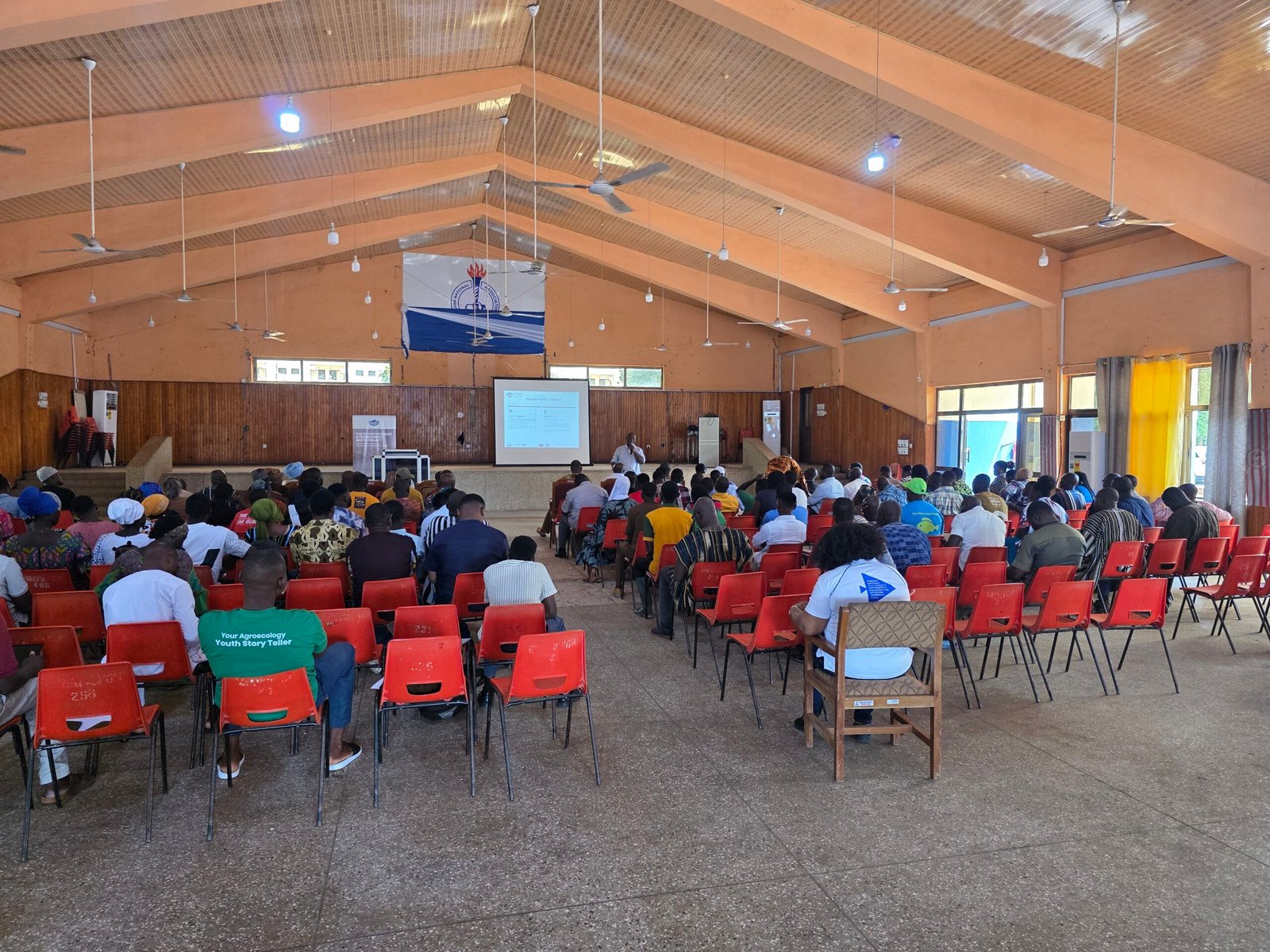
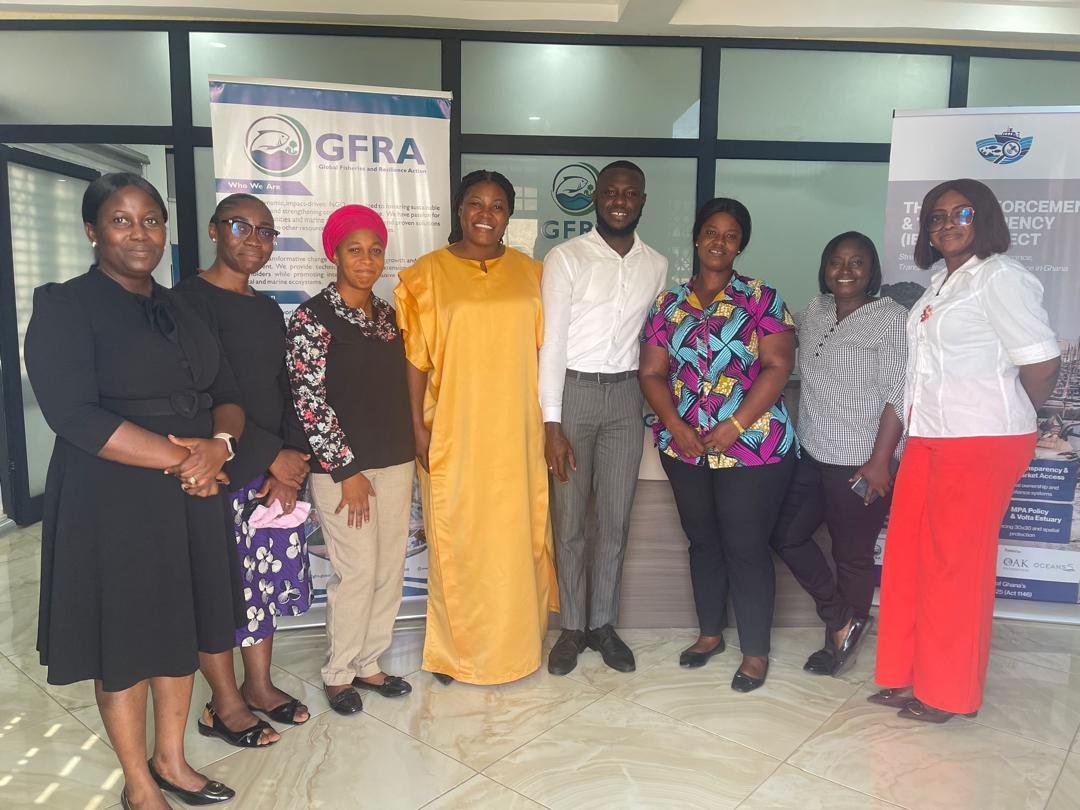
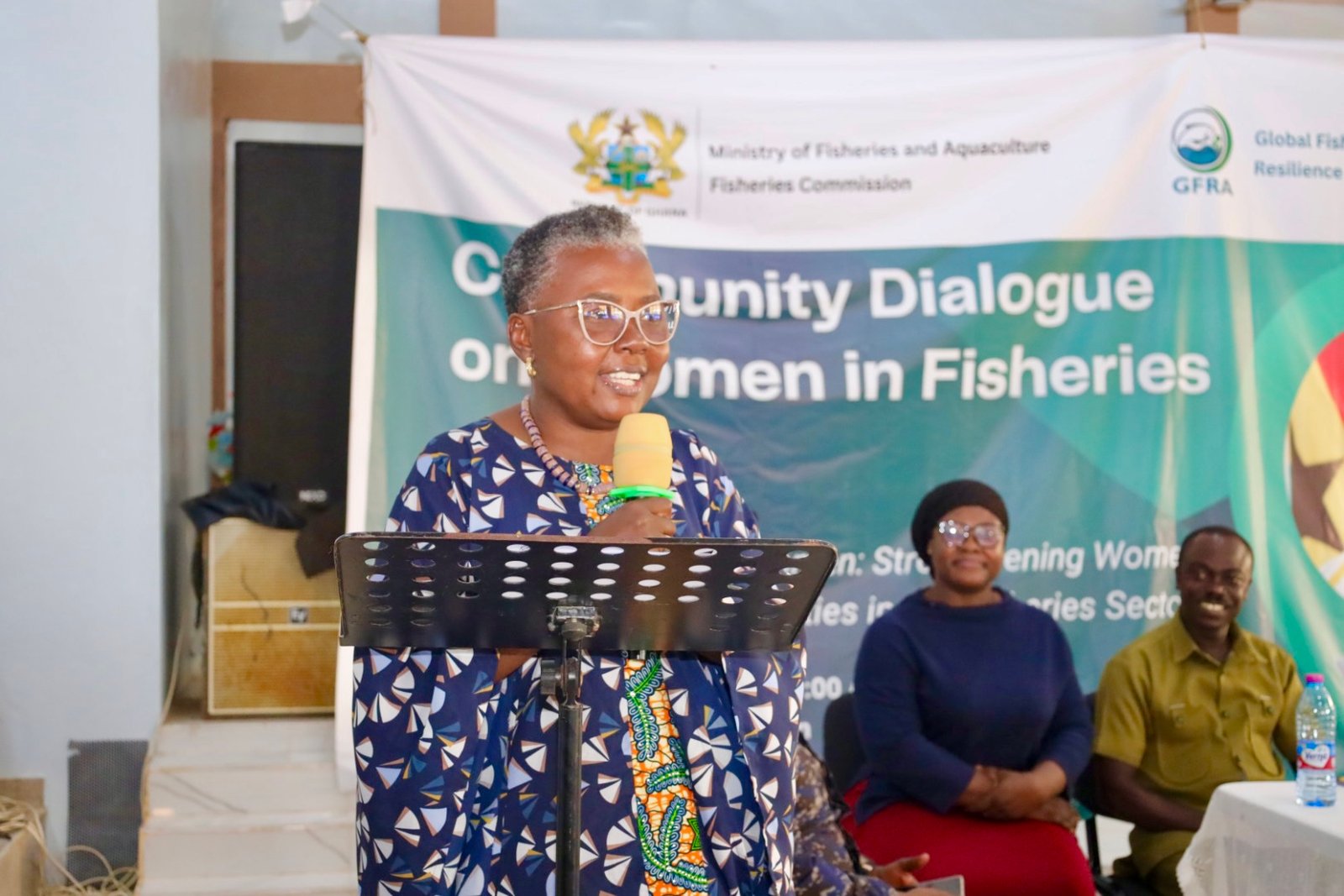
On 22 May 2026, GFRA joined the Ministry of Fisheries and Aquaculture (MoFA) and the Fisheries Commission (FC) in the fishing community of Shama in Ghana’s Western Region for a powerful and long-overdue conversation about the women who sustain Ghana’s fisheries sector, and what more must be done to protect, support, and amplify their roles within it.
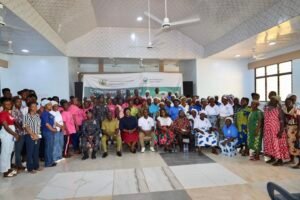
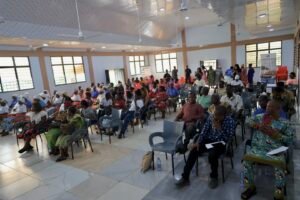
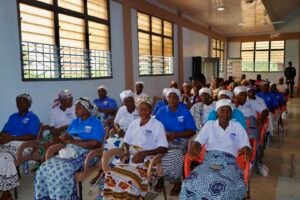
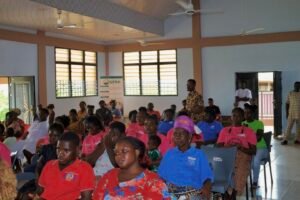
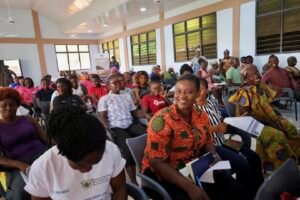
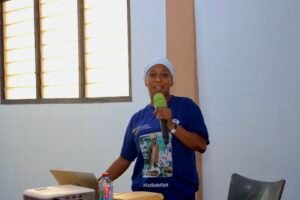
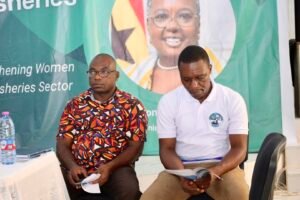
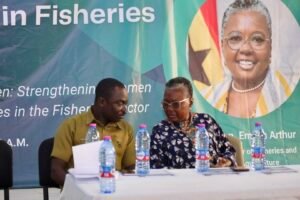
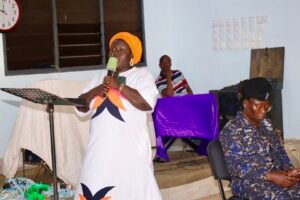
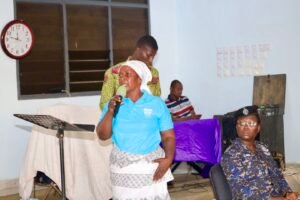
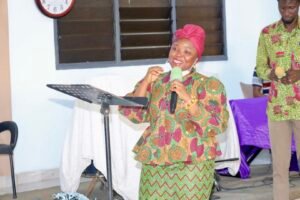
The gathering brought together over 140 participants, including women fish processors, traders, and fishers alongside representatives of government institutions, civil society organisations, security agencies, health professionals, and community stakeholders – all united under a single, defining theme: “Women Supporting Women: Strengthening Women’s Inclusion and Opportunities in the Fisheries Sector”
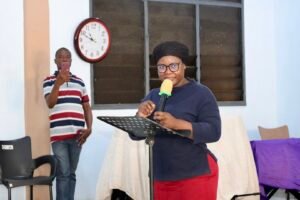
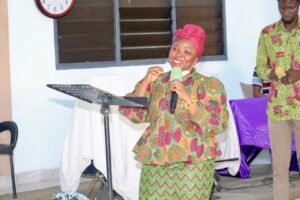
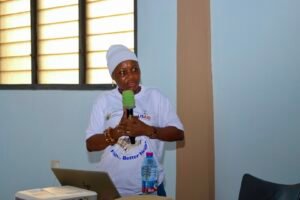
What distinguished this dialogue was its depth and its candour, putting women’s voices, lived realities, and futures at the heart of the conversation. Discussions did not remain at the level of policy pronouncement but were firmly anchored in the lived realities of women navigating Ghana’s coastal and fishing communities every day. Participants engaged across a range of urgent and often difficult issues:
- Women’s leadership and representation in fisheries governance
- Post-harvest livelihoods and income security
- Gender-based violence in fishing communities
- Child labour and trafficking (CLaT) within the fisheries value chain
- Food safety standards and hygienic fish processing
- Illegal, unreported, and unregulated (IUU) fishing and its impact on communities
- Health challenges facing women in coastal communities
Centering the Most Vulnerable
GFRA used the dialogue to draw focused attention to women and young female workers who remain among the most vulnerable and least visible actors in the fisheries value chain. Fish carriers, head porters, and descalers perform essential, physically demanding labour that underpins the entire post-harvest economy – yet they are routinely excluded from protections, financial services, and pathways to improved livelihoods.
GFRA highlighted the urgent need to build stronger support systems for these workers.
GFRA also highlighted the work of Circles of Support, community-based safe spaces established to provide peer support, address gender-based violence, and build resilience among women and young people in fishing communities; as well as the role of Community Child Protection Committees (CCPCs) in addressing child labour and trafficking across Ghana’s coast. Both initiatives’ pathways GFRA adopts to build safer and more inclusive fisheries communities from the ground up
Hon. Emelia Arthur (MP), Minister for Fisheries and Aquaculture, stated that “Government is committed to strengthening women’s groups, supporting improved fish processing technologies, combating illegal fishing, promoting transparent premix fuel systems, and enhancing women’s meaningful participation in fisheries governance.”
Government commitments reaffirmed include strengthening and formalising women’s groups and cooperatives within the fisheries sector; supporting access to improved and safer fish processing technologies; combating illegal, unreported, and unregulated (IUU) fishing; promoting transparent and equitable premix fuel distribution systems; and enhancing women’s meaningful participation in fisheries governance structures at all levels
GFRA remains committed to advancing the dialogue in Shama to reinforce a shared commitment held by all who participated, and to ensure that Ghana’s fisheries sector becomes a space where women are safer, better represented, economically empowered, and fully recognised as the central actors they have always been in sustaining Ghana’s fisheries and coastal livelihoods. This calls for continued collaboration with communities, Government, civil society, and the women, who remain at the heart of Ghana’s fisheries seeking resilient coastal livelihoods.