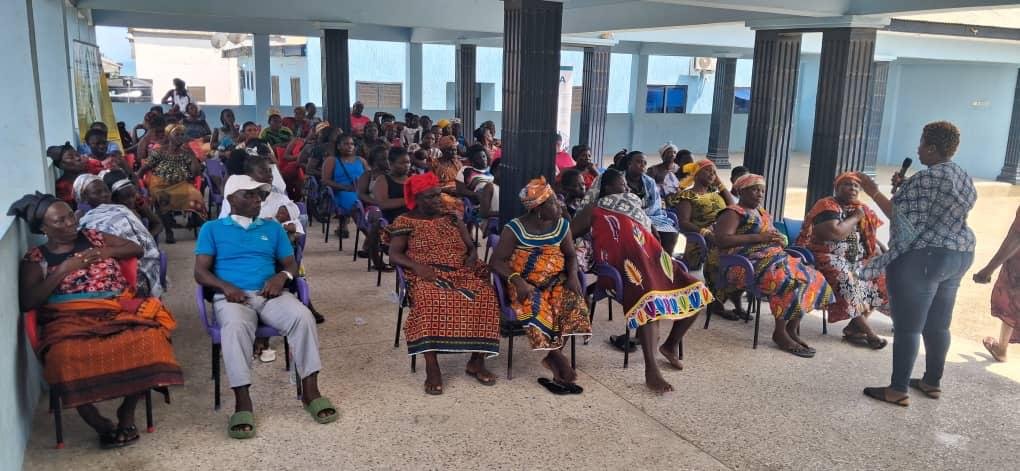
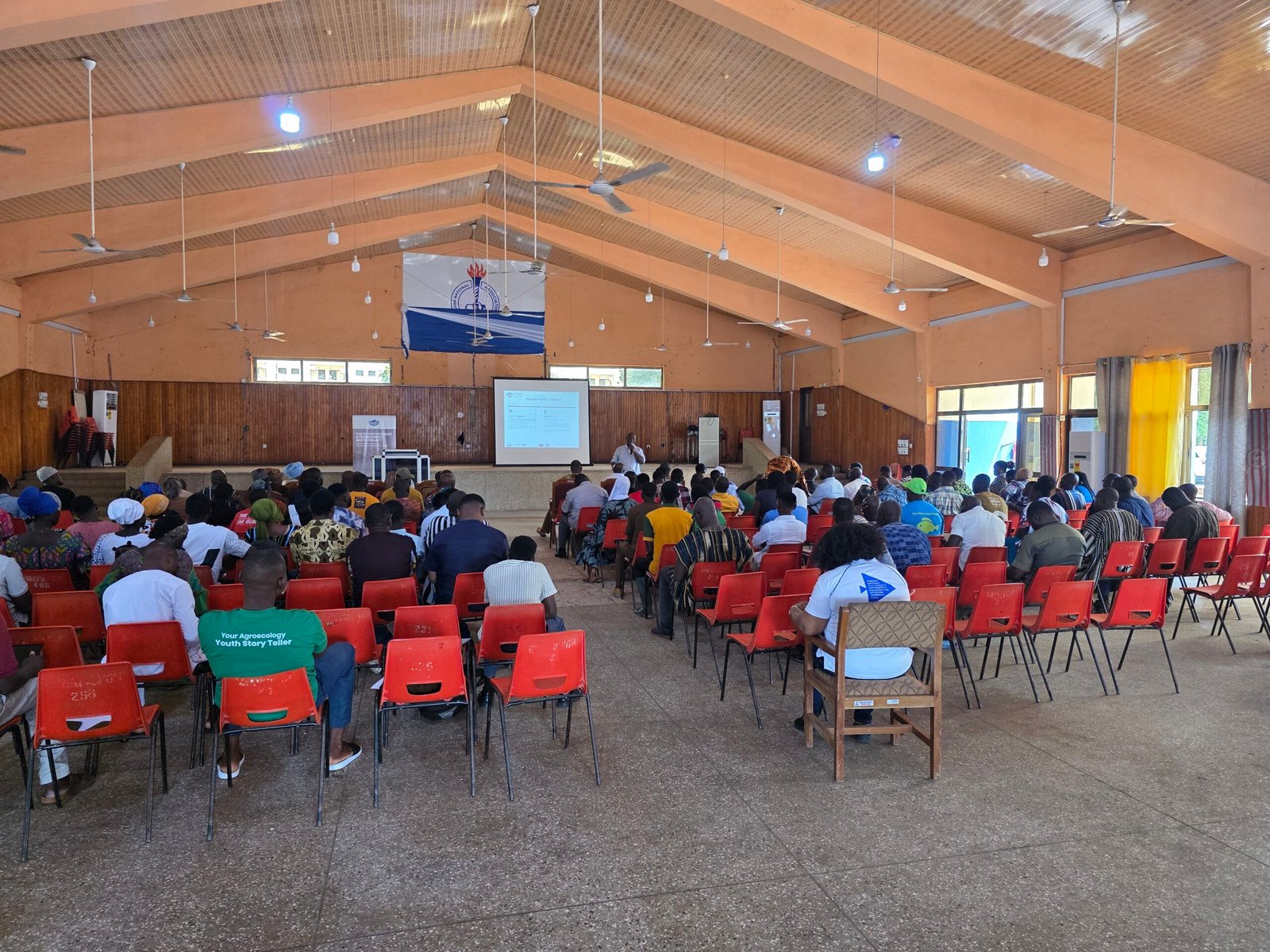
GFRA and its partners under the IEZ Enforcement and Transparency Policies Implementation (IEZET) Project are convening a two-day Northern Sector Stakeholder Review Workshop on 22–23 July 2026 at the Ghana National Association of Teachers (GNAT) Hall in Tamale, Northern Region. The workshop is focused on reviewing the Draft Fisheries and Aquaculture Regulations.
The workshop is being organised under the IEZET Project, led by GFRA in collaboration with the Environmental Justice Foundation Ghana and Hen Mpoano, with funding from Oak Foundation and Oceans 5. The project supports the Ministry of Fisheries and Aquaculture in operationalising the Fisheries and Aquaculture Act, 2025, particularly its provisions on enforcement of the expanded Inshore Exclusive Zone (IEZ) and fisheries transparency.
The workshop brings together 130 participants from the Upper East, Upper West, Northern, North East and Savannah Regions. Working in six thematic groups, participants are reviewing the draft Regulations to help ensure that they are practical, inclusive and responsive to the realities of the fisheries and aquaculture sector before they proceed through the legislative approval process.
Given the scale of the draft instrument, comprising 17 Parts and 641 regulations, a comprehensive clause-by-clause review cannot be completed within two days. The workshop has therefore adopted a prioritised approach, combining a detailed provision-by-provision review of the Parts relating to inland fisheries, aquaculture, post-harvest activities and ornamental fish with a targeted screening of relevant cross-cutting provisions.
The meeting’s participants include representatives from the Aquaculture Association; inland fisheries actors; post-harvest operators (fishmongers); the Regional Coordinating Councils; the Water Resources Commission; the Environmental Protection Authority; academia; the Fisheries Commission’s Fish Health division; and the Fisheries and aquaculture-active MMDAs.
GFRA’s facilitation of this workshop is a direct expression of its work under the IEZET project. Component 3 of the IEZET project explicitly supports the enhancement of institutional capacity and coordination for the implementation of Act 1146, and the development of workable, stakeholder-tested regulations is the foundation on which that implementation depends. The IEZET project has already supported a five-day writeshop in Elmina earlier this year that produced a zero draft of sections of the fisheries regulations; the Takoradi workshop represents the next stage of that process, bringing the draft text to a wider audience for scrutiny and refinement.
The Draft Fisheries and Aquaculture Regulations cover the entire sector: fisheries management, marine and inland fisheries, aquaculture development, licensing and registration, monitoring, control and surveillance, conservation measures, post-harvest management, fish quality assurance, enforcement, and offences and penalties.
Ensuring the provisions are properly configured significantly closes the gap between the ambitious framework reforming the country’s fisheries sector and its implementation.