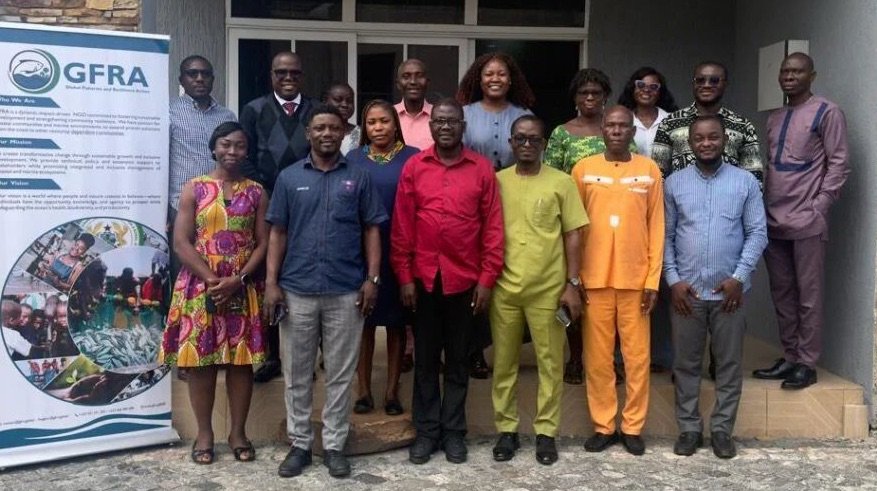
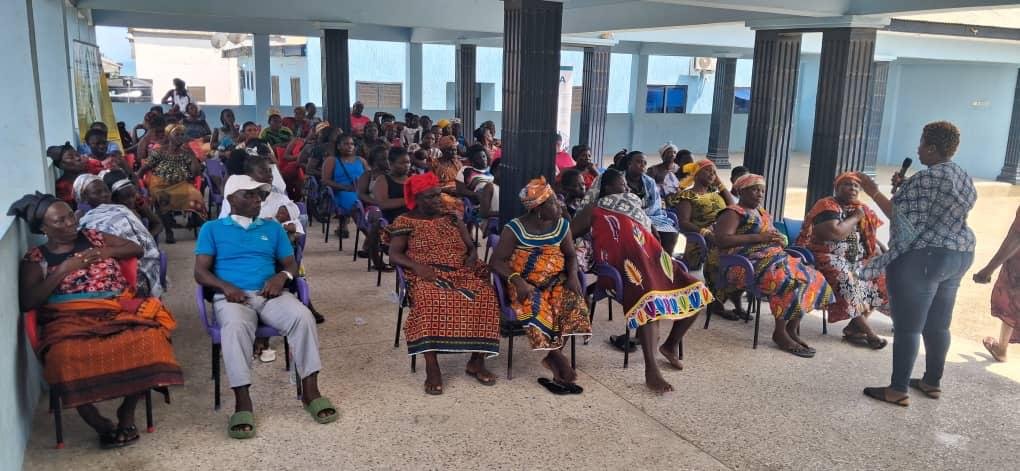
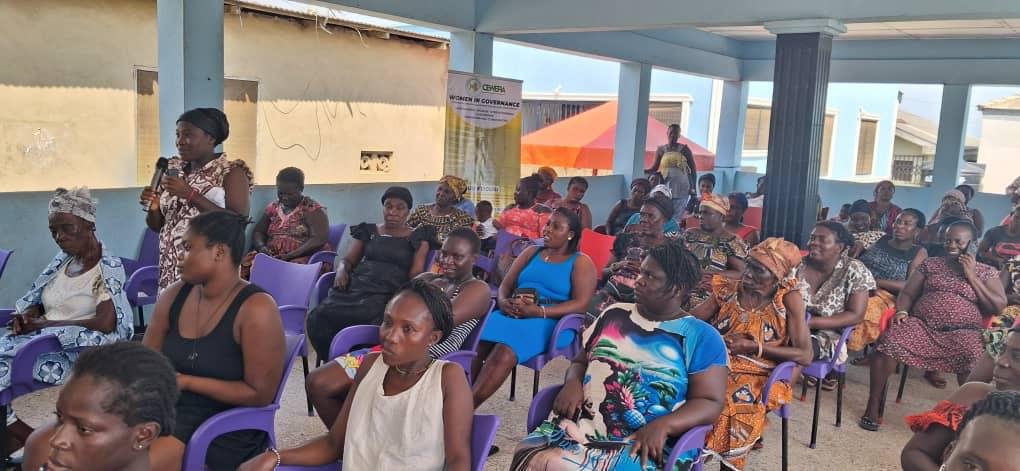
On the 6th and 7th October 2026, the Global Fisheries and Resilience Action (GFRA), together with its implementing partner, CEWEFIA LBG, commenced community engagement activities in three coastal communities in the Central Region, namely Woarabeba, Winneba and Anomabo, as part of the opening phase of the Inclusive Artisanal Fisheries for Nutrition and Food Security in Ghana (Fish for Life) Project, funded under the West Africa Regional Fund (WARAF) initiative. The community engagement activity marked an important first step in introducing the project to local stakeholders, building community understanding and establishing a strong foundation for effective and inclusive implementation.
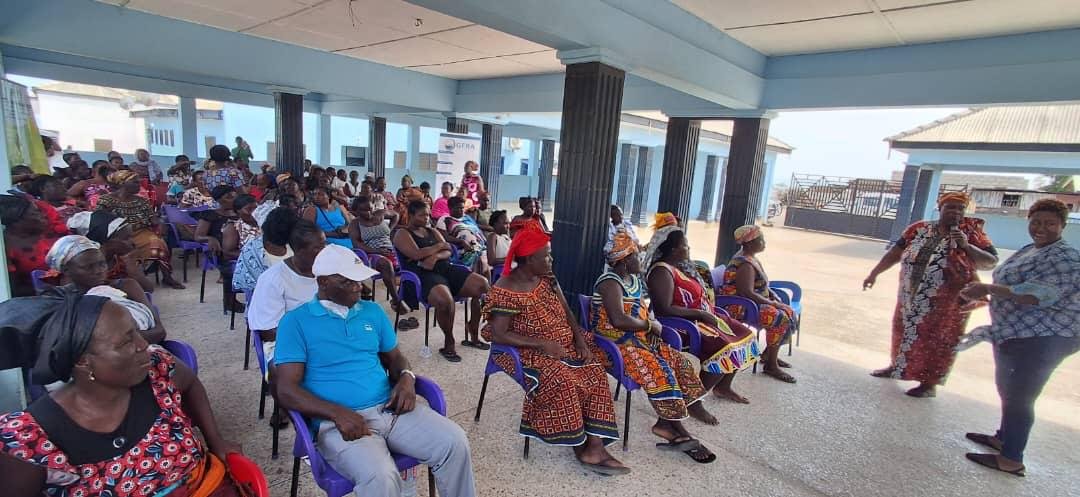
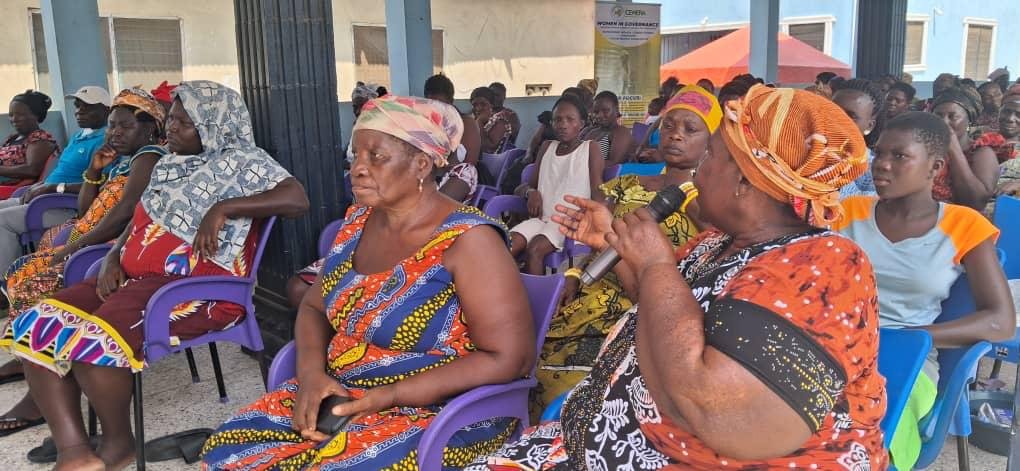
The engagements brought together traditional authorities, community leaders, fisherfolk leaders, women’s groups, youth groups and other relevant community members. The engagements provided an opportunity for GFRA and CEWEFIA to introduce the Fish for Life Project, explain its objectives and planned interventions, which include Village Savings and Loans Associations (VSLAs), Safe Fish Certification, Nutrition and Market Access, Circles of Support, Gender-Based Violence (GBV) Dialogues and Landing Beach Enforcement Committees (LaBECs), to the participants. The engagement also created an open platform for community members to ask questions, seek clarification, share their perspectives and contribute to discussions on issues affecting their livelihoods and well-being.
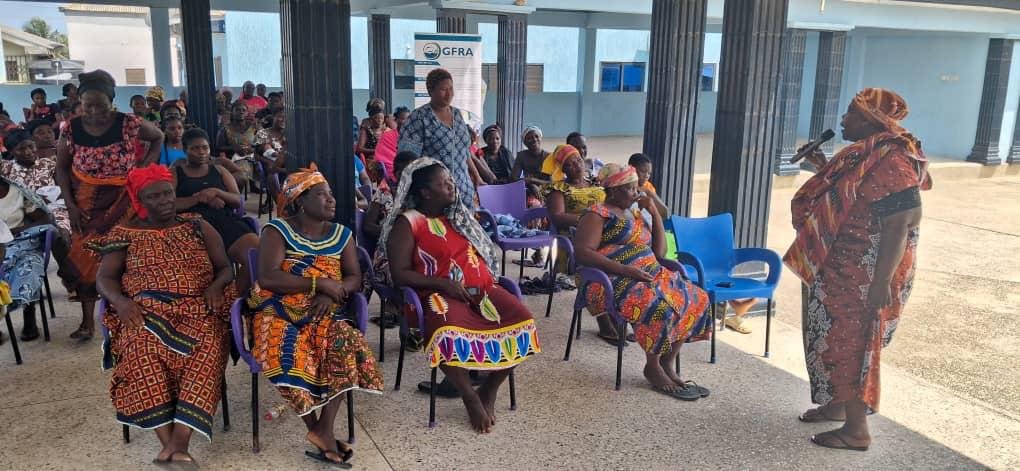
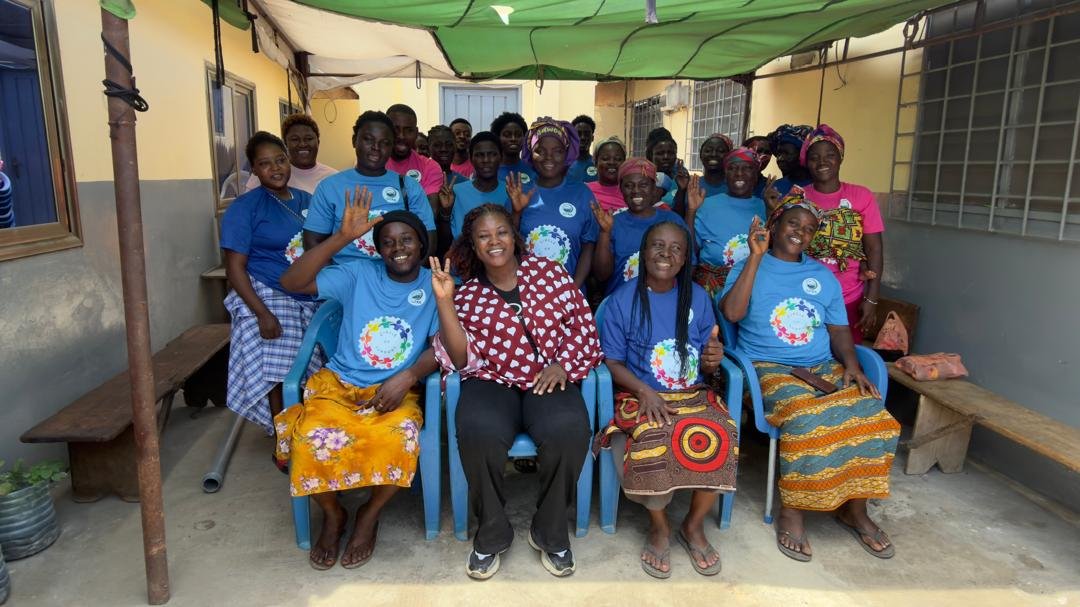
A key component of this activity was identifying, profiling, and registering potential project participants. Rather than relying on general community invitations, GFRA and CEWEFIA adopted a more targeted approach to identify individuals directly engaged in fisheries-related activities and likely to benefit from the project interventions. These include fishers, fish processors, fish traders, women involved in fisheries-related activities and young people within the selected communities. The establishment of the database represents an important shift from general participation toward more focused and accountable engagement. By identifying participants from the outset, the project will be better positioned to reach the right people with relevant training, livelihood support, capacity-building opportunities and other interventions.
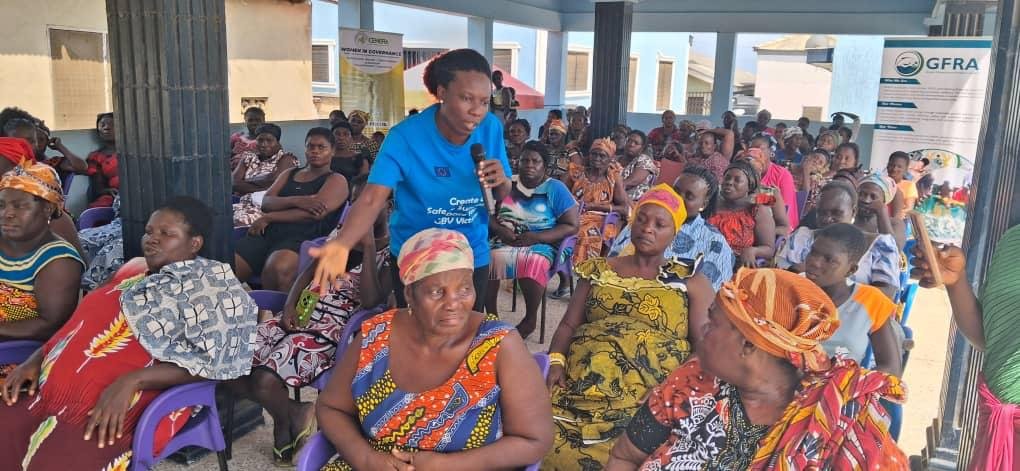
The community engagement process also reflects GFRA and CEWEFIA’s commitment to ensuring that the Fish for Life Project is inclusive by design. Engaging communities from the beginning provides an opportunity to understand local priorities, concerns and expectations while creating a sense of ownership among community members. The relationships and communication channels established during the engagement will provide an important link between the project team, community leadership and identified participants throughout implementation.
The Fish for Life Project is a 1-year project funded by WARAF which seeks to contribute to stronger and more resilient coastal fishing communities through inclusive and sustainable fisheries-related interventions that support livelihoods, food security, nutrition and community well-being. The successful completion of the community engagement and participant profiling exercise therefore marks more than the beginning of project activities; it represents the establishment of a collaborative foundation upon which meaningful community participation, targeted interventions and sustainable results can be built.