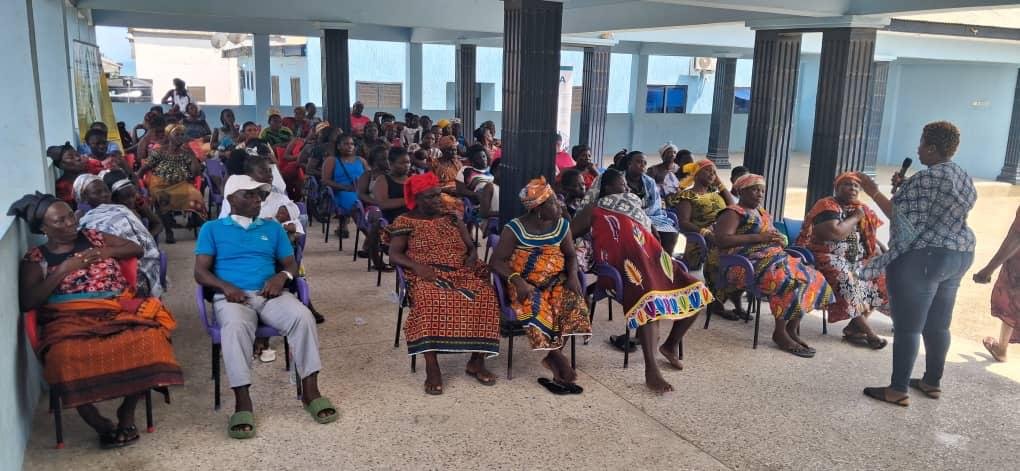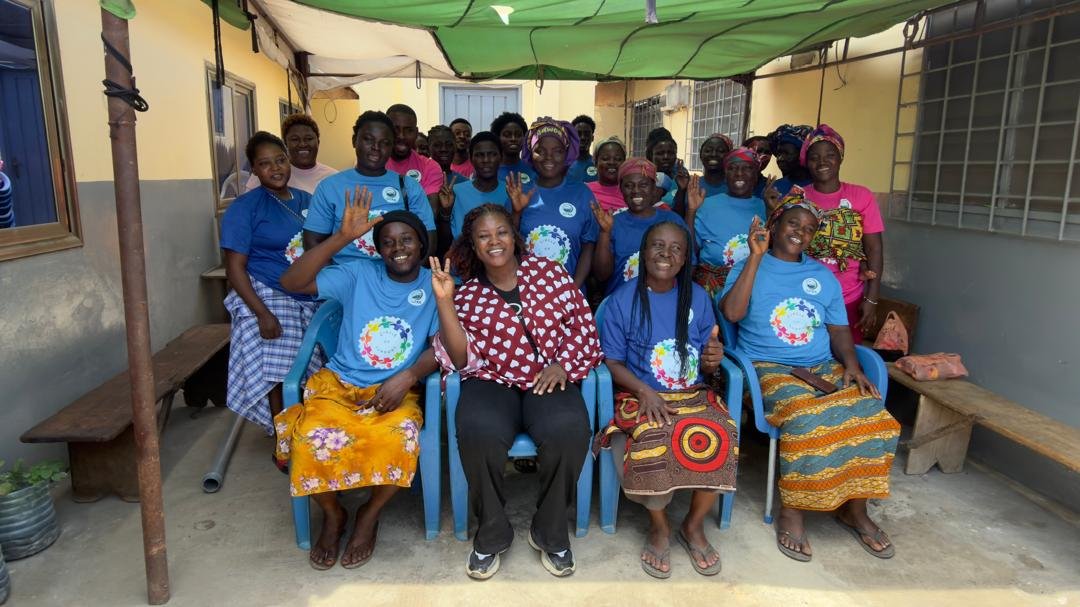
As part of the Seasonal Poli-Watcha Integration and Monitoring Pilot project being implemented under GFRA’s partnership with Blue Ventures, GFRA facilitated community engagements with fishers in Adina and Agavedzi to discuss the longstanding challenge associated with the use of poli fishing gear net, in collaboration with the Fisheries Commission and the Ministry of Fisheries and Aquaculture.
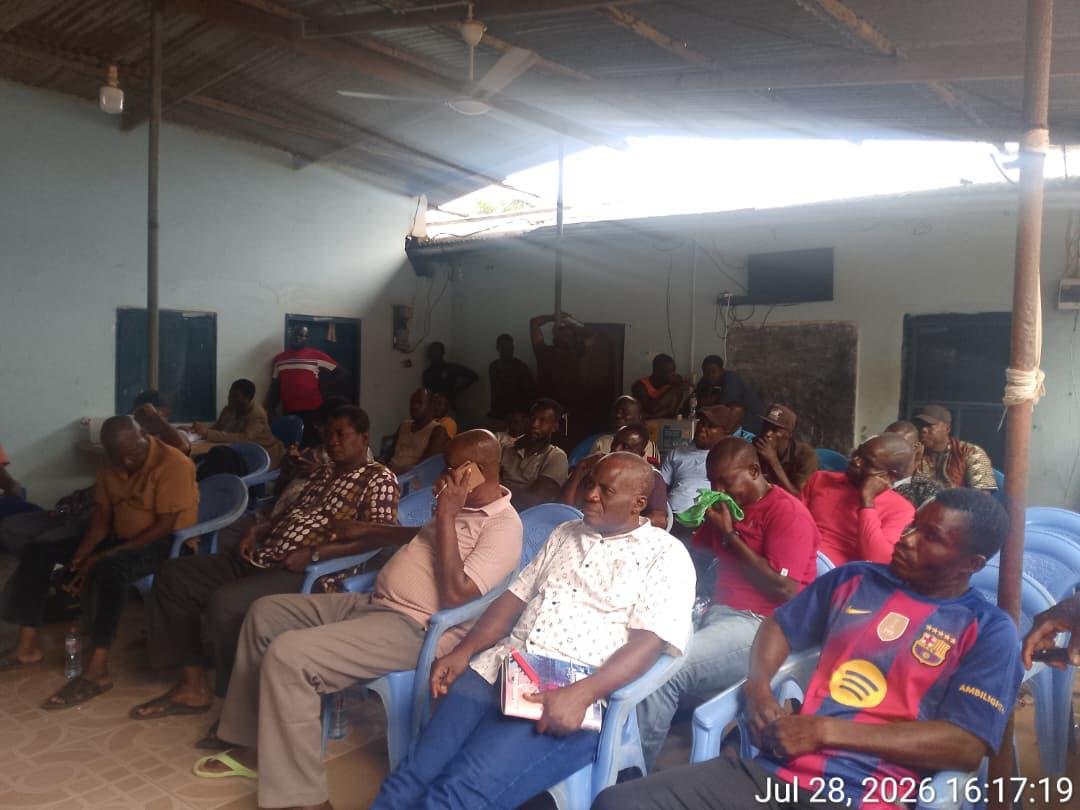
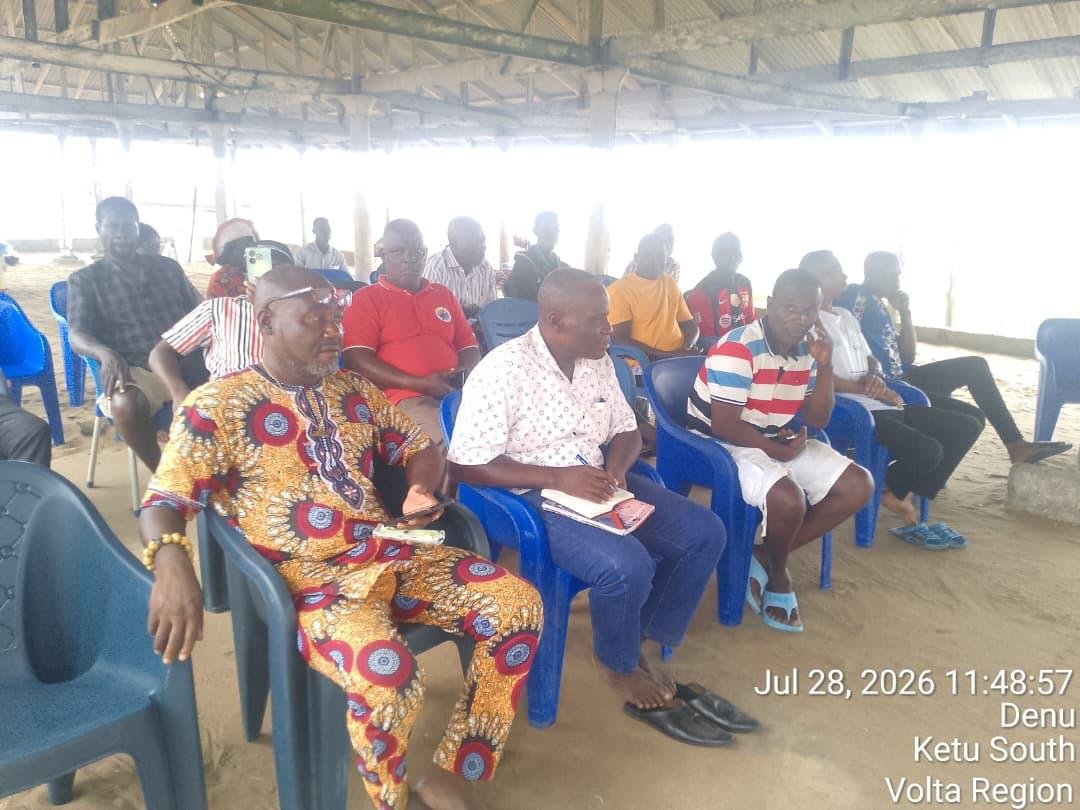
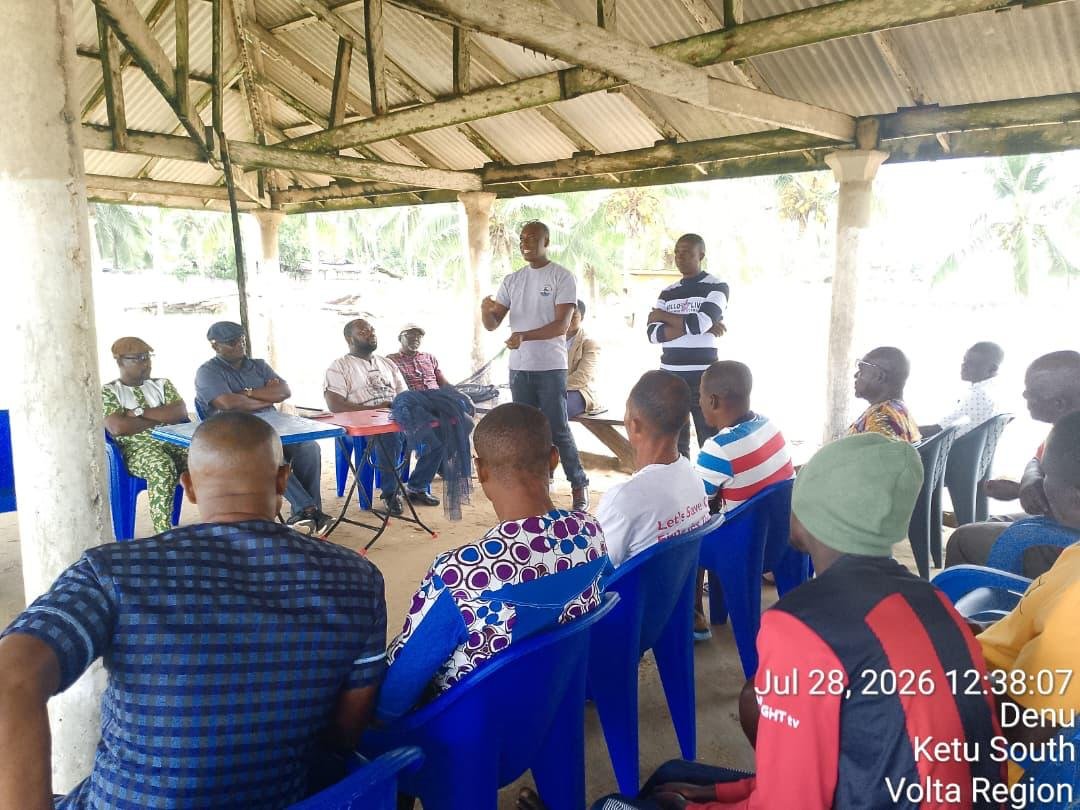
Although poli is prohibited because of its small mesh size, enforcement has historically been limited due to the gear’s socioeconomic importance to fishing communities in the Volta Region. Anchovy is an important food fish in Ghana and the principal target species for many fishers in the area. Because anchovy is naturally small, it’s exploitation generally requires a relatively small-mesh net. However, the uncontrolled use of poli throughout the year also results in the capture of juveniles of other fish species, undermining fisheries management and efforts to rebuild Ghana’s fish stocks.
Through the engagements facilitated by GFRA, fishers in Adina, Agavedzi, Denu and Hedzranawo have agreed that the use of poli should be restricted to the main anchovy fishing season, from August to February, and discontinued from March to July.
This agreement represents an important shift from the largely unregulated year-round use of the gear towards a community-supported seasonal management arrangement. It demonstrates that, when fishers are meaningfully involved in identifying fisheries challenges and developing solutions, it is possible to reconcile livelihood needs with the responsibility to protect fish stocks.
In the absence of a closed fishing season for the artisanal sector, the proposed five-month restriction on the use of poli could make an important contribution to reducing the excessive harvesting of juvenile fish. The willingness of fishers to accept seasonal limits on an economically important fishing activity is therefore a significant foundation for the pilot.
The next steps have already been built into the implementation process. Following the community entry engagements and the transparent selection and preliminary registration of volunteer fishers, GFRA will support the Fisheries Commission, participating fishers, LaBECs and other stakeholders to co-create a Seasonal Poli-Watcha Standard Operating Procedure and sampling protocol. These will define the conditions for the seasonal arrangement, the monitoring procedures, the information to be collected and the respective responsibilities of the participating institutions and communities.
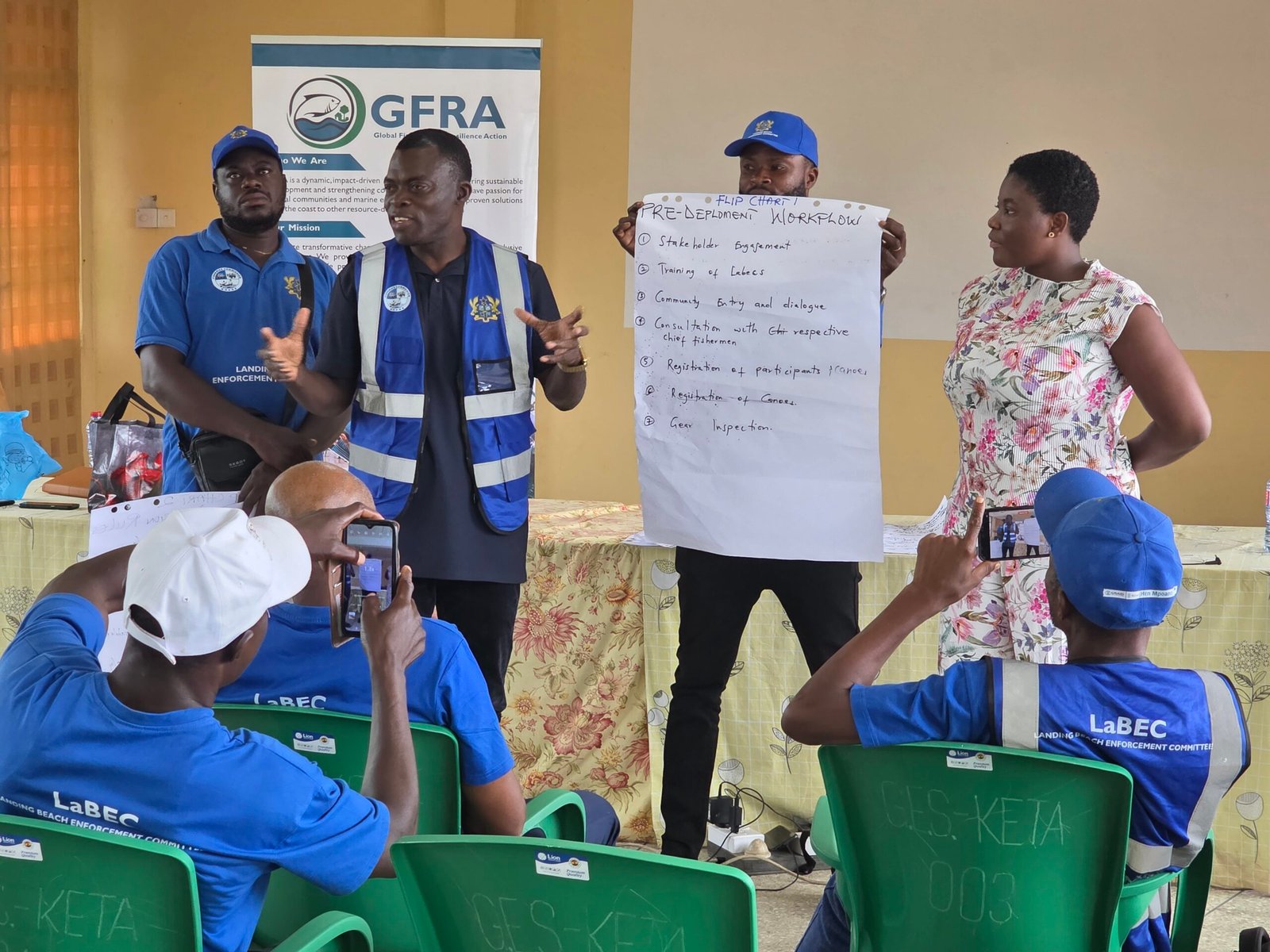
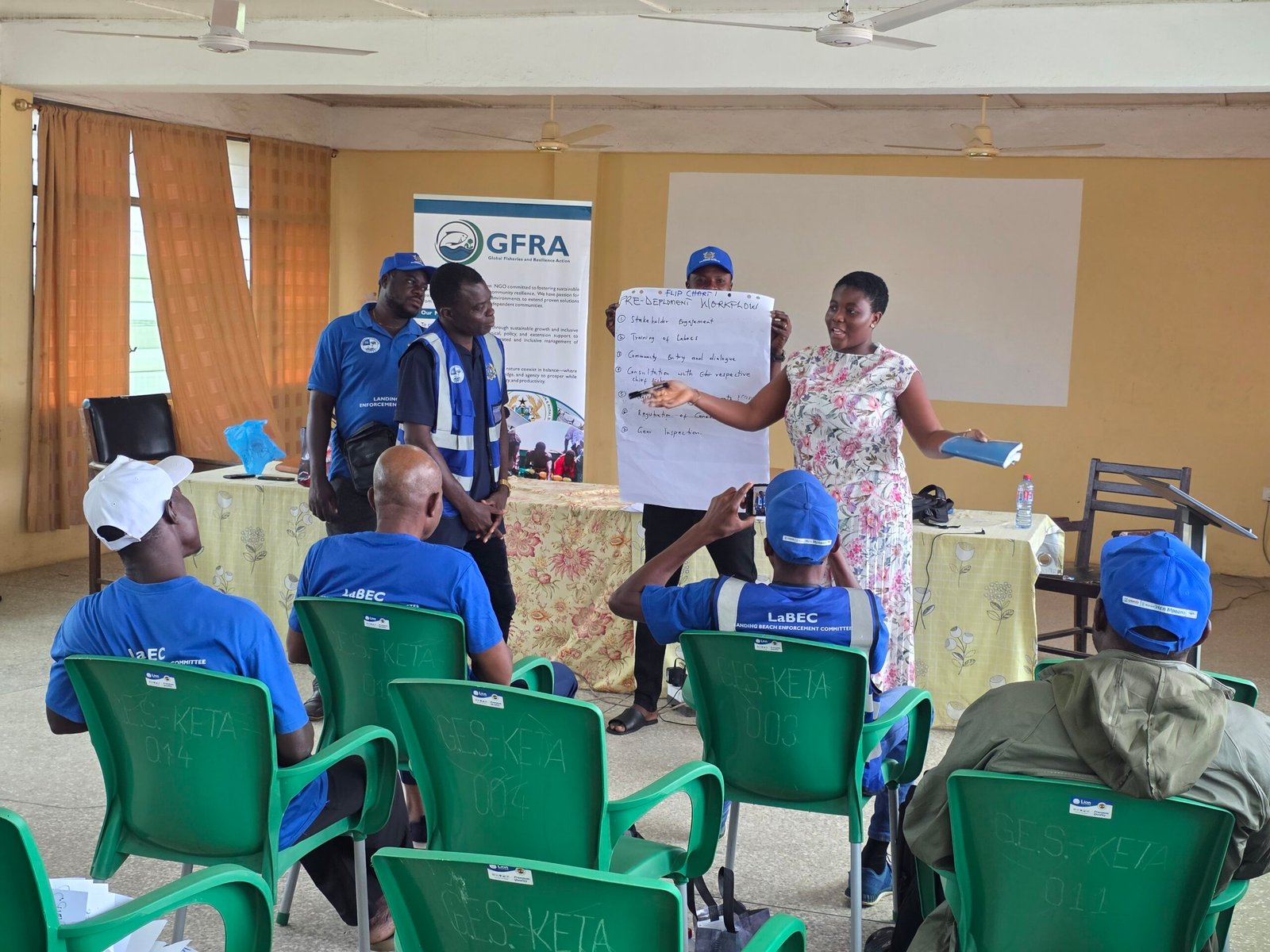
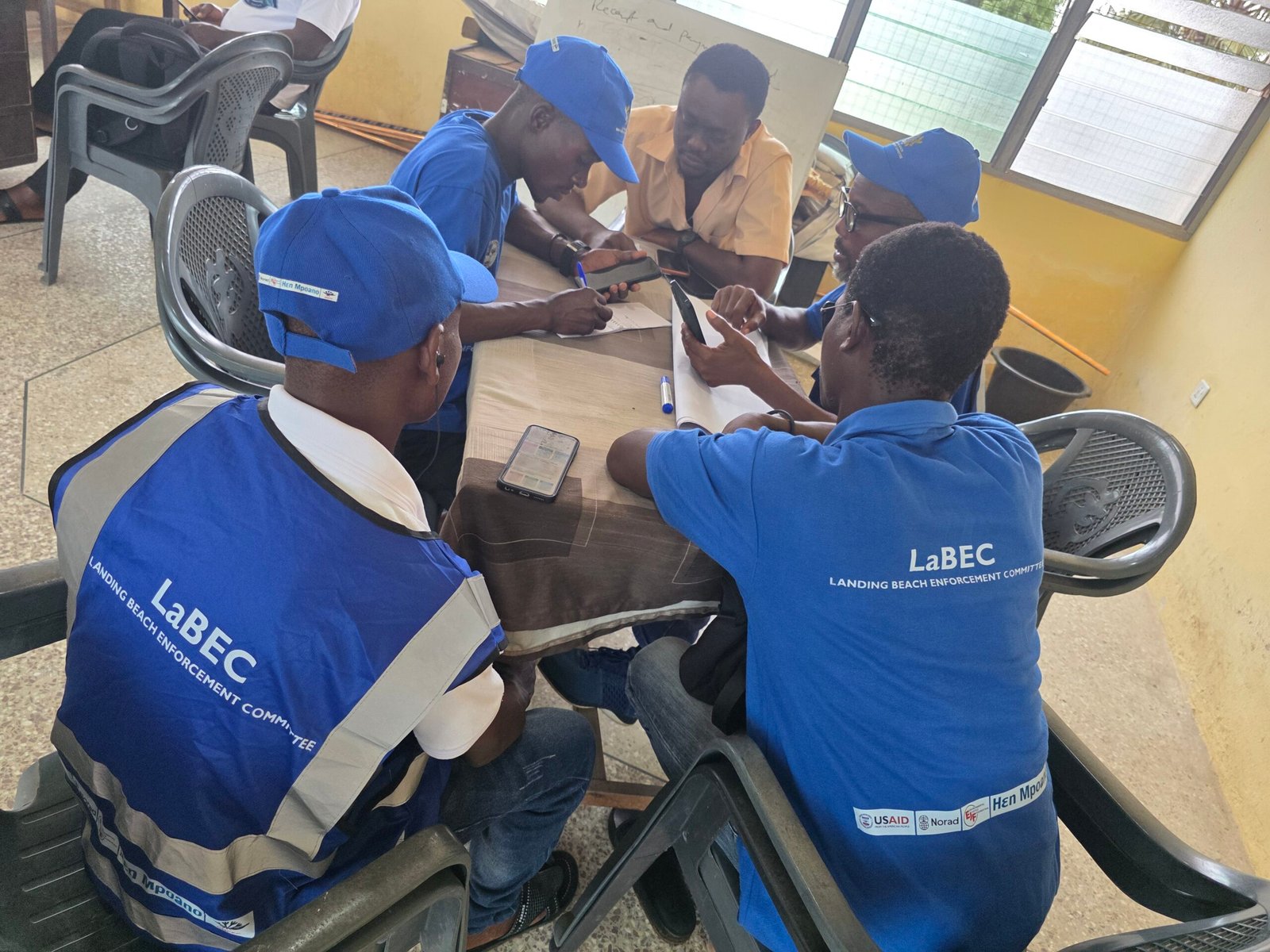
LaBEC members will subsequently receive classroom and simulation-based training, followed by practical beach-based training. The training will prepare them to inspect the approved gear, monitor compliance with the agreed seasonal conditions, record catch and effort data, assess species composition and juvenile catch, and support community-level reporting.
The trained LaBECs and selected volunteer fishers will then support field deployment and monitoring. This will include gear inspection, catch sampling, compliance checks, regular site visits and monthly implementation reviews. The evidence generated will be analysed to determine whether the seasonal integration of poli into watcha nets can support the targeted exploitation of anchovy while reducing unacceptable juvenile catch and bycatch.
The results will be documented and presented to the Fisheries Commission and its Scientific and Technical Committee to inform community learning, technical advice and future fisheries management recommendations.
Since poli remains prohibited under the existing legal framework, this initiative does not seek to legalize its unrestricted use. Rather, it provides a structured pilot through which GFRA, the Fisheries Commission and the participating communities can generate evidence on whether its use can be effectively controlled within clearly defined seasonal, technical and monitoring conditions.
The agreement reached is therefore not the end of the process. It is the beginning of a carefully designed implementation and learning process. Its success will depend on sustained community ownership, effective monitoring, institutional oversight and the willingness of all participating fishers to comply with the collectively agreed arrangements.
For GFRA and its partners, this is an important milestone in demonstrating how community knowledge, scientific evidence and responsive fisheries governance can be brought together to address one of the artisanal sector’s most persistent management challenges.