Child labour and trafficking (CLaT) remain among the most serious and persistent challenges facing Ghana’s fisheries sector. Along the coast and on Lake Volta, children are engaged in hazardous fishing activities. These practices rob children of their childhoods, their education, and in many cases their safety.
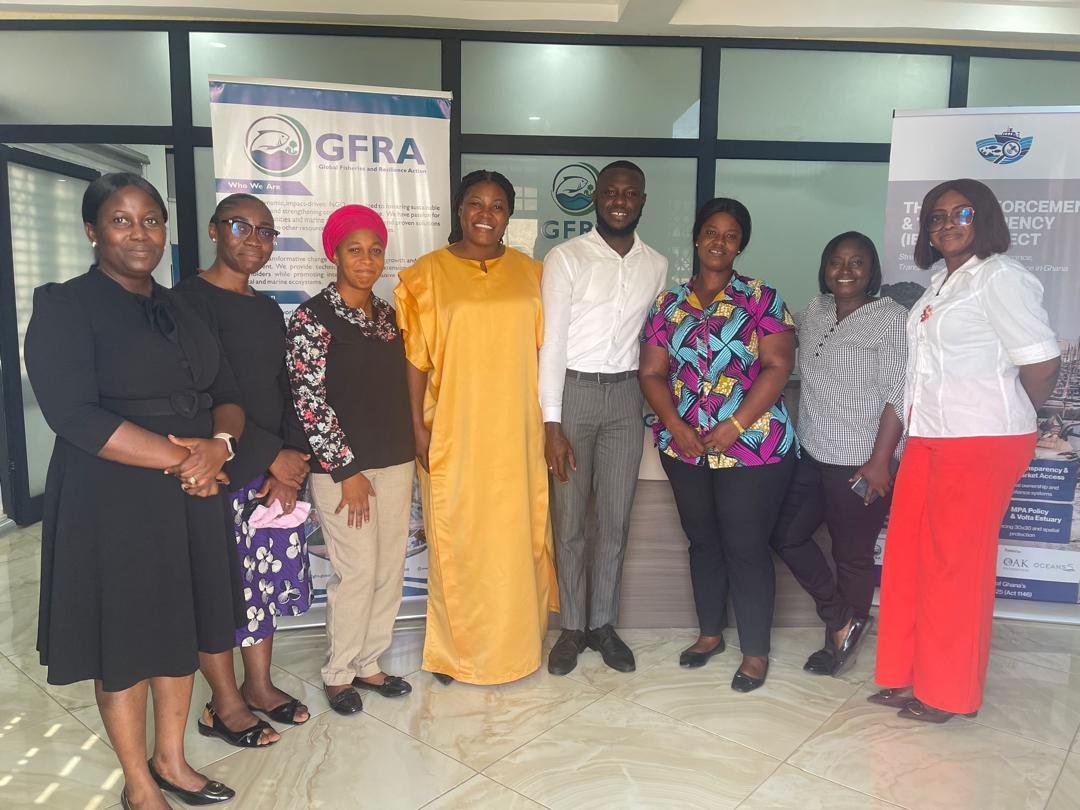
GFRA, working in partnership with Metropolitan, Municipal, and District Assemblies (MMDAs) across Ghana’s coast, has established Community Child Protection Committees (CCPCs) as a frontline community response to these challenges.
What are CCPCs?
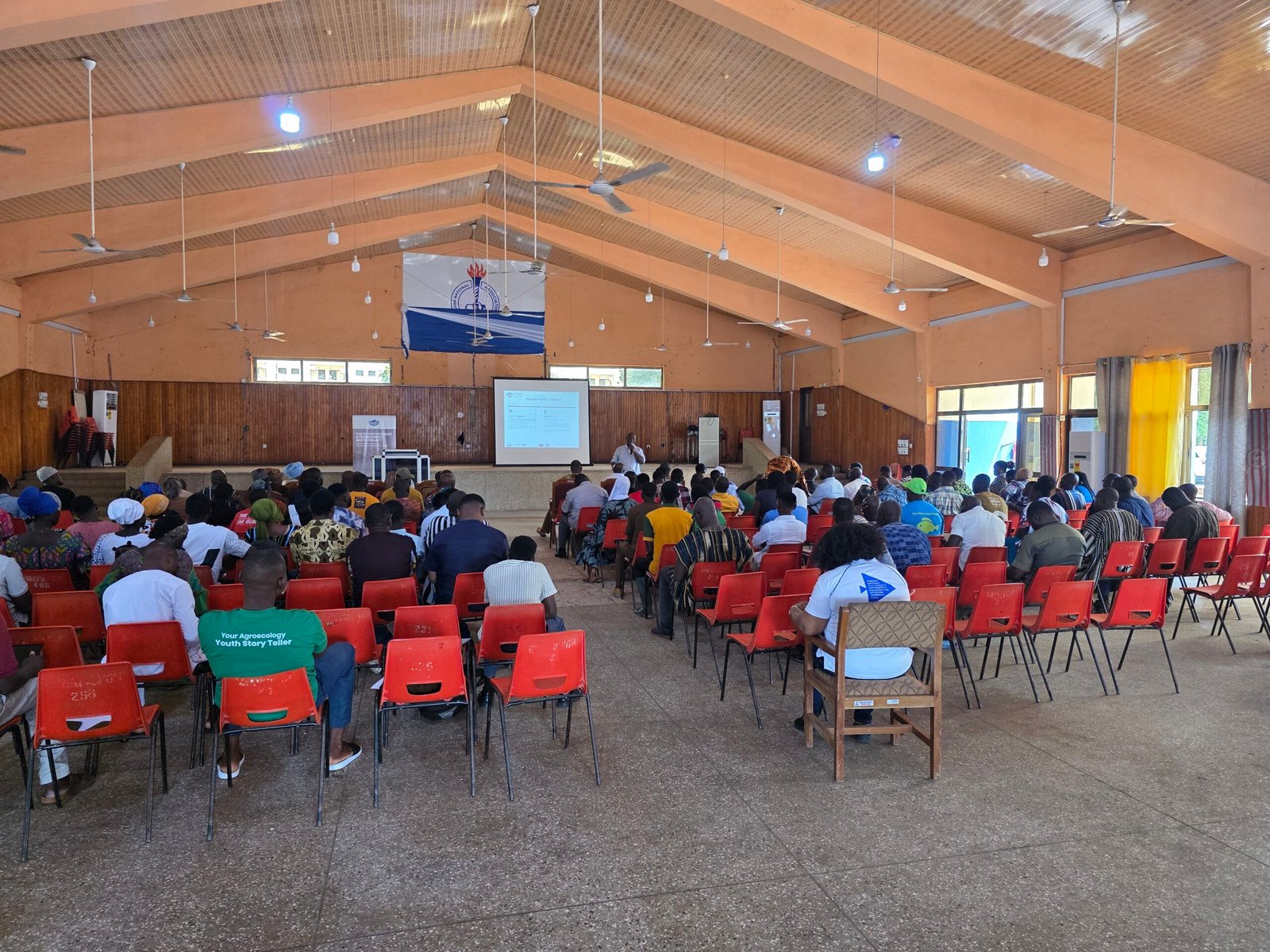
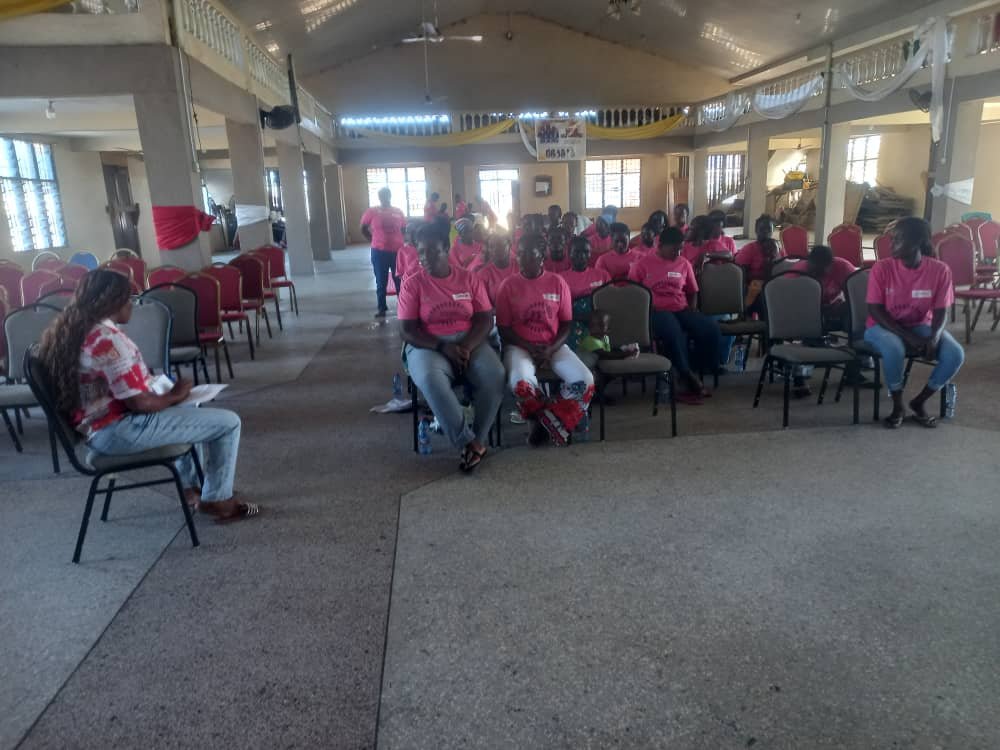
Community Child Protection Committees are locally constituted bodies, established jointly by GFRA and the respective MMDAs, and embedded within fishing communities along Ghana’s coast. They bring together community leaders, fishers, and other stakeholders to form a coordinated, community-owned response to child labour, child trafficking, and related child protection concerns.
CCPCs operate as the critical bridge between community-level awareness and the formal child protection system. They are directly linked to the Case Referral System at the district assembly level — the same system that connects Circles of Support to formal services — ensuring that cases identified within communities can be escalated, investigated, and resolved through official channels while maintaining community trust and involvement.
The CCPCs’ work is organised around three pillars:
01 — Educate
CCPCs conduct community education and awareness campaigns on child rights, the harms of child labour and trafficking, legal protections, and how to report concerns safely.
02 — Prevent
Through sustained community engagement, CCPCs work to address the root causes of CLaT by building community awareness and linking families to support services before children are at risk.
03 — Rescue
When children are found in hazardous situations or identified as trafficking victims, CCPCs coordinate with social welfare departments, law enforcement, and district assemblies through the Case Referral System to facilitate safe removal, rehabilitation, and reintegration.
GFRA remains committed to strengthening CCPCs across the coast, deepening their integration with formal district systems, and expanding their capacity to respond to the evolving and complex realities of child labour and trafficking in Ghana’s fisheries sector. This work is central to GFRA’s mission: building fisheries communities that are productive, equitable and fundamentally safer for every child. The Circles of Support and Community Child Protection Committees represent GFRA’s community-level commitment to a fisheries sector where no woman faces violence alone, and no child is left behind.