
27 July 2026 – Ghana Fisheries and Resilience Action (GFRA), in collaboration with the Ministry of Fisheries and Aquaculture (MoFA), the Fisheries Commission (FC), and the National Premix Fuel Secretariat, commenced a baseline assessment of Ghana’s marine fisheries subsidies compliance status. The assessment is intended to generate the evidence needed to determine the extent to which Ghana’s marine subsidies regime complies with the requirements of the WTO Agreement on Fisheries Subsidies (AFS).


The activity is being implemented as part of the “Strengthening Ghana’s Compliance Mechanisms for the Implementation of the WTO Agreement on Fisheries Subsidies”, a three-year national project funded by the WTO’s Fish Fund, jointly implemented by the Ministry of Fisheries and Aquaculture (MoFA), the Fisheries Commission (FC) and GFRA, to strengthen compliance with the AFS.
The WTO Agreement prohibits subsidies to fishing targeting overfished stocks unless a government can demonstrate that the support is part of a documented plan to rebuild those stocks to sustainable levels. The Agreement gives Ghana until 15 September 2027 to either fully assemble evidence that its premix programme falls within the Agreement’s permitted categories, or to bring it into conformity.


Whether the premix programme, as currently designed, falls within the WTO Agreement’s permitted categories depends on evidence that Ghana has not yet fully assembled. The baseline assessment begins the journey to sustainably build the evidence to address this, and simultaneously address other related obligations that will rely on the same dataset, thereby avoiding duplication of effort. The International Institute for Sustainable Development (IISD) Self-Assessment Tool upon which provides the baseline architecture, structures the evidence along five dimensions: an inventory of every subsidy programme; establishing the current status of Ghana’s principal fish stocks; capturing data on who would be most affected by any changes to the programme; who the current subsidies are actually benefiting; and the compliance environment that any changes to the subsidy programme would rely upon.

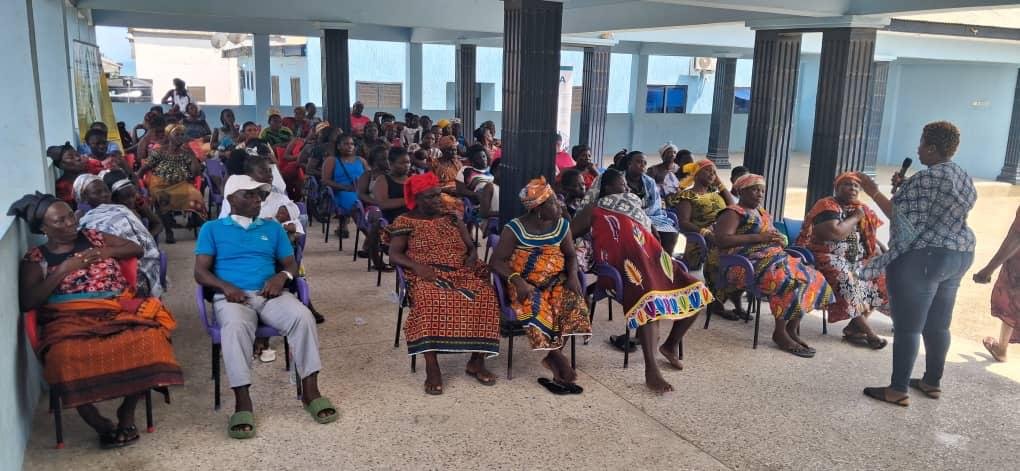
The first pass of the baseline assessment was conducted in the four coastal regions of Ghana: Western region (Shamaa, Axim, Half Assini, Dixcove); Central region (Elmina, Apam, Moree, Mumford); Greater Accra region (Tema, James Town, Kokrobite, Ada) and Volta region(Adina, Keta, Anloga, Anyanui) with canoe owners to complete the livelihoods and distributional inventory tables from the IISD Self-Assessment Tool.
After consolidated stock assessments for the principal stocks, an artisanal canoe survey, and a targeted livelihood survey are completed, all five pillars will be consolidated into a single dataset and the initial report drafted for external peer review.