Ecosystem & Conservation

Our Ecosystem Impact

GFRA’s work spans the entire coastline of Ghana, protecting marine biodiversity and supporting communities

0 km

Kilometers of Coastline

0

Marine Species Protected

0

Marine Protected Areas

0 +

Communities Supported

Ghana's Marine & Coastal Ecosystem

A complex network of habitats and species that sustains communities and biodiversity

Biodiversity Hotspot

GFRA’s approach is rooted in evidence-based strategies, community engagement, and adaptive management. We integrate local knowledge with scientific insights and leverage strategic partnerships to address the root causes of socio-economic and environmental challenges. Our work builds local capacity and fosters inclusive, sustainable development aligned with both national priorities and global goals.

At the heart of our operations is collaboration—with communities, civil society, government institutions, and the private sector. We believe that durable, scalable impact is achieved through shared ownership, inclusive governance, and systems thinking.
Coastal Habitats

Beaches, lagoons, estuaries and mangrove systems that provide critical breeding and feeding grounds for marine species.

Climate Impacts

Rising sea levels, changing temperatures and extreme weather events affecting coastal communities and ecosystems.

Marine Resources

Diverse fisheries, marine biodiversity and ecosystem services that sustain coastal economies and communities.

Watershed Health

Water quality, pollution control and land-sea connections that affect marine ecosystem health.

Marine Protected Areas

Creating sanctuaries for biodiversity recovery and ecosystem resilience through community-led conservation

Ecosystem Benefits

MPAs serve as nurseries for fish stock recovery, protect critical habitats, and maintain ecological diversity and balance.

Co-Management

GFRA supports community-driven MPA governance that balances conservation with sustainable livelihoods and local stewardship.

Long-term Vision

We aim to expand Ghana’s network of effectively managed MPAs to ensure coastal resilience and biodiversity conservation.

Community-Ecosystem Connection

Understanding the vital relationship between coastal communities and their environment

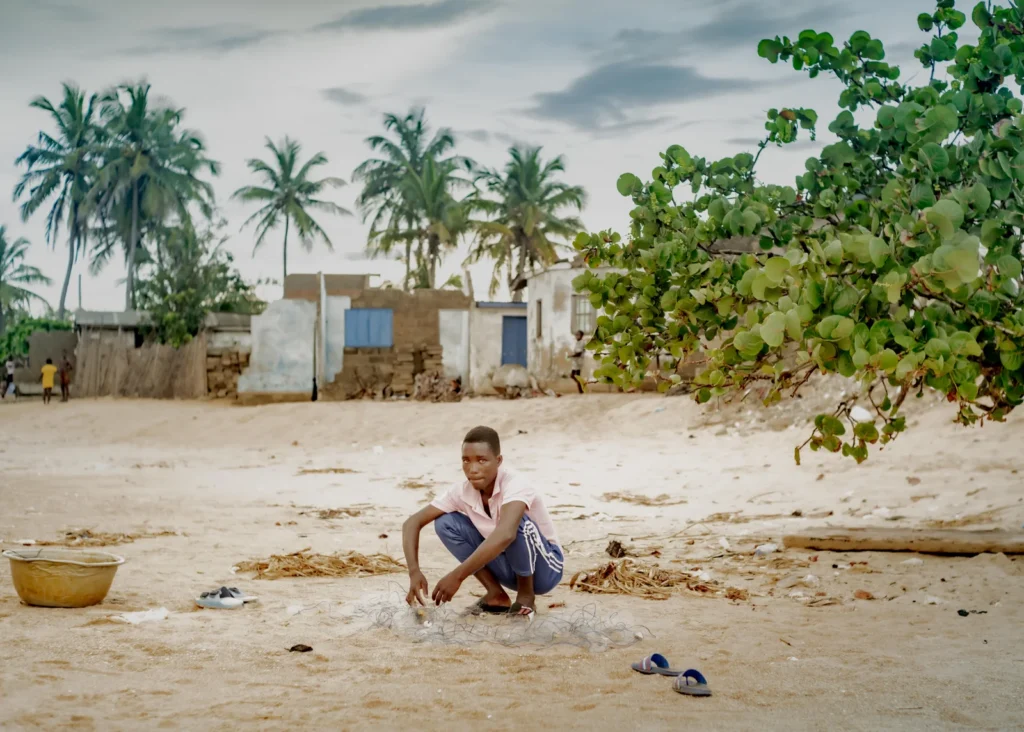
Coastal communities in Ghana depend directly on marine and coastal ecosystems for food security, livelihoods, cultural heritage, and economic prosperity. This deep connection creates both challenges and opportunities for sustainable management.

GFRA’s integrated approach recognizes that ecosystem health and community well-being are inseparable. Through co-management arrangements, capacity building, and livelihood support, we help communities become effective stewards of their natural resources.

Traditional Knowledge

Incorporating local ecological knowledge into management decisions

Economic Linkages

Developing sustainable livelihoods that support ecosystem health

Cultural Heritage

Preserving traditions and practices tied to marine resources

Climate Resilience

Building adaptive capacity to environmental changes