
About GFRA
Learn about our mission, vision, values, and the dedicated team driving our impact
GFRA is a dynamic, impact-driven non-governmental organization (NGO) committed to fostering sustainable development and strengthening community resilience. We have a particular passion for coastal communities and marine environments, with an intent to extend proven solutions from the coast to other resource-dependent communities.
Our approach emphasizes building local capacity, promoting inclusive decision-making processes, and driving innovation for long-term, community-led growth. GFRA remains steadfast in its commitment to building resilient coastal communities while continuously adapting to emerging global challenges.
Our Mission
To create transformative change through sustainable growth and inclusive development. We provide technical, policy, and extension support to a broad range of stakeholders, including coastal communities, emerging civil society groups, traditional authorities, government institutions, and the private sector.
By promoting integrated and inclusive management of coastal and marine ecosystems across the West African Region, we address critical issues such as resource management, climate resilience, community livelihoods—while staying responsive to evolving global and local challenges.
Our Vision
Our vision is a world where thriving coastal and marine ecosystems support resilient and empowered communities. We envision a future in which people and nature coexist in balance—where individuals have the opportunity, knowledge, and agency to prosper while safeguarding the ocean’s health, biodiversity, and productivity for generations to come.
Through informed, inclusive decision-making, we seek to ensure that the needs of the environment and the needs of people are mutually reinforced, securing sustainable livelihoods and ecological integrity in a changing world. GFRA remains committed to this vision by continuously learning, innovating, and adapting to the dynamic challenges facing coastal communities and marine ecosystems. Our vision transcends Ghana’s borders, driving collective action for coastal and marine resilience across the West African region.
Our Story
The journey that shaped our organization and mission
GFRA originated in Ghana as a US Agency for International Development (USAID) funded food security initiative aimed at preventing the collapse of the small pelagic fishery sub-sector while setting the stage for its ecological recovery. Our primary goal was to enhance the socio-economic well-being of artisanal fisherfolk and their communities by aligning fishing capacity with ecosystem sustainability.
Through collaborative efforts, we improved household incomes, supported coastal communities to diversify their livelihoods and address social challenges such as Gender Based Violence and Child Labor/Trafficking, increased the quality and value of fish products, promoted transparency and co-management in fisheries governance, strengthened stakeholder collaboration, and advanced the integration of scientific research into policy and decision-making.
Following the February 2025 termination of GFRA’s funding from USAID, the project’s leadership took a decisive step to sustain its mission. Recognizing the ongoing need for its work, GFRA formally transitioned into an independent Ghanian-registered organization. This strategic move not only preserved our impactful initiatives but also allowed us to broaden our focus, incorporating new areas of strategic relevance to promote inclusive and sustainable development.
The new structure allows us to deepen our work in fisheries while incorporating priority areas such as biodiversity conservation, youth empowerment, and climate action. Today, GFRA remains committed to building resilient coastal communities and beyond, while continuously adapting to emerging global challenges.
How We Work
Our approach to creating lasting, sustainable change
GFRA’s approach is rooted in evidence-based strategies, community engagement, and adaptive management. We integrate local knowledge with scientific insights and leverage strategic partnerships to address the root causes of socio-economic and environmental challenges. Our work builds local capacity and fosters inclusive, sustainable development aligned with both national priorities and global goals.
At the heart of our operations is collaboration—with communities, civil society, government institutions, and the private sector. We believe that durable, scalable impact is achieved through shared ownership, inclusive governance, and systems thinking.
Government Collaborations
GFRA considers collaboration with governments a cornerstone of sustainable development. By working closely with public institutions, policymakers, and regulatory bodies, we ensure that our initiatives align with national strategies and policy frameworks—enhancing relevance, scalability, and long-term sustainability.
Policy Engagement and Advocacy
We actively participate in policy processes to help shape and strengthen regulatory frameworks that promote environmental stewardship, responsible resource management, and socio-economic equity. Through research, dialogue, and public awareness campaigns, GFRA advocates for reforms that benefit both ecosystems and the communities that depend on them.
Public-Private Partnerships
We cultivate strategic partnerships with both public agencies and private sector actors to deliver high-impact, multi-sectoral initiatives in areas such as fisheries management, biodiversity conservation, and climate resilience. These collaborations enhance resource mobilization, improve coordination, and amplify both social and environmental outcomes.
Capacity Building and Institutional Support
GFRA strengthens institutions through technical assistance, applied research, and targeted capacity-building initiatives. We equip policymakers, regulatory bodies, and community leaders with the tools and knowledge they need to govern effectively and inclusively.
Where We Work
GFRA operates primarily across the West African region. We partner with national government institutions and Civil Society Organizations to advance collaborative and inclusive marine resource management.
Our initial focus is on Ghana’s four coastal regions, where we engage deeply with stakeholders at different levels. As we expand our footprint across West Africa, we remain grounded in context-specific, community-driven approaches that promote resilience, equity, and environmental sustainability.
Our Reach
While GFRA builds on the legacy of several leading actors in Ghana’s fisheries and coastal management landscape, our niche is to bridge the gap between science, policy, and community action. We distinguish ourselves through our strategic emphasis on youth empowerment, enterprise development, gender-responsive actions, post-harvest innovation, and community resilience that leaves no on behind. Our field-tested, scalable solutions are grounded in technical excellence and designed to complement and amplify the work of others.
Community Engagement
Our field teams work directly with fishing communities, traditional authorities, and local organizations to implement practical solutions that address immediate needs while building long-term capacity and resilience.
Our Team
Meet the dedicated professionals driving our mission forward
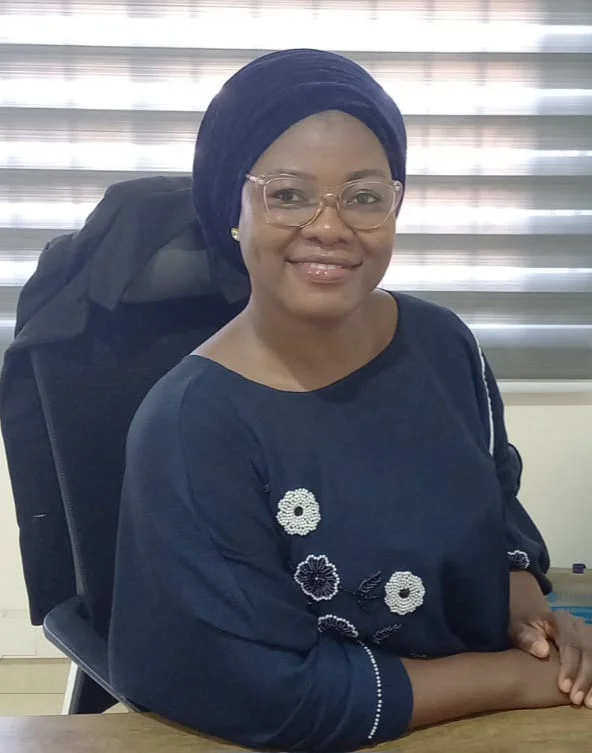
Socrates Segbor
Country Director, GFRA
Socrates is a fisheries policy and management expert with over 15 years of experience in Ghana's fisheries sector. He has a proven track record of building strong relationships with government, civil society, and academia to advance decision-making on sustainable fisheries measures
Socrates Segbor
Country Director, GFRA
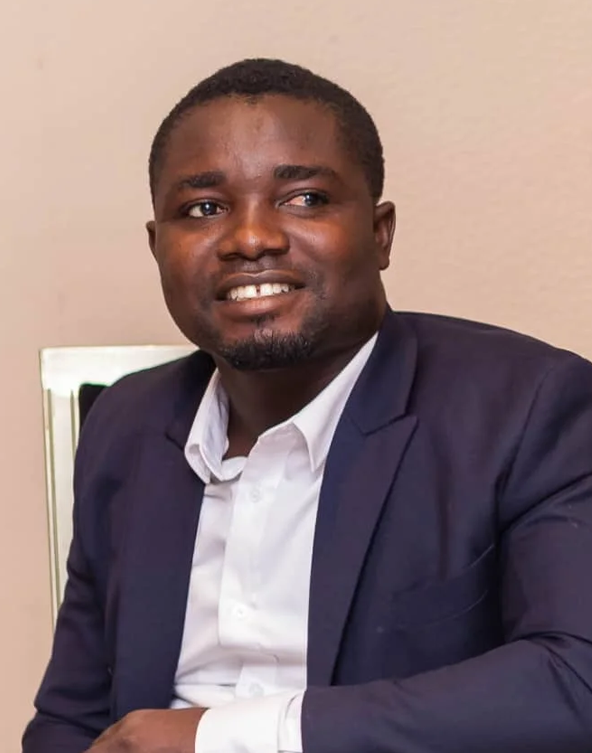
Baviina Safia Musah
Director, Gender-Inclusive Development
Baviina is a development practitioner with 17 years of professional experience in rights-based programming. She has worked extensively on project formulation, inclusive programming, and organizational development for state and non-state actors.
Baviina Safia Musah
Director, Gender-Inclusive Development
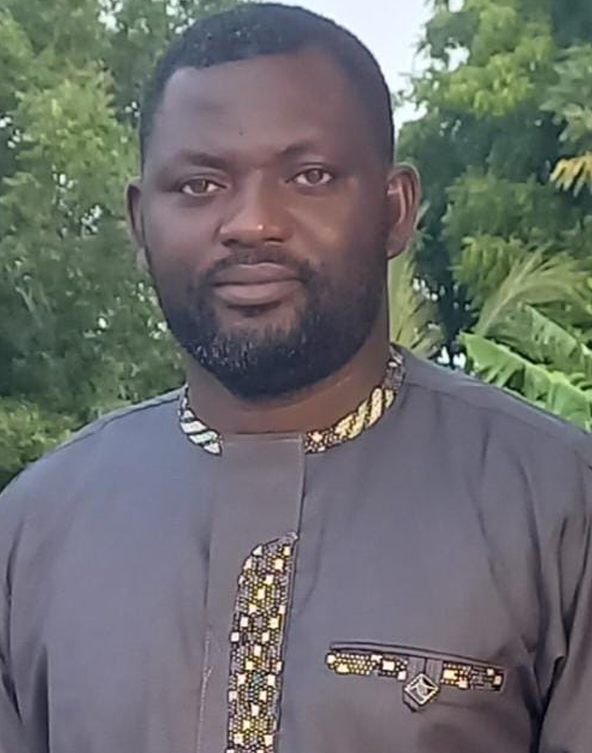
Emmanuel Kwarteng
Director, Post-Harvest Systems
Emmanuel is a seasoned fish post-harvest and market systems development expert with over a decade of experience in fisheries project design, quality assurance, private sector engagement, and international trade.
Emmanuel Kwarteng
Director, Post-Harvest Systems
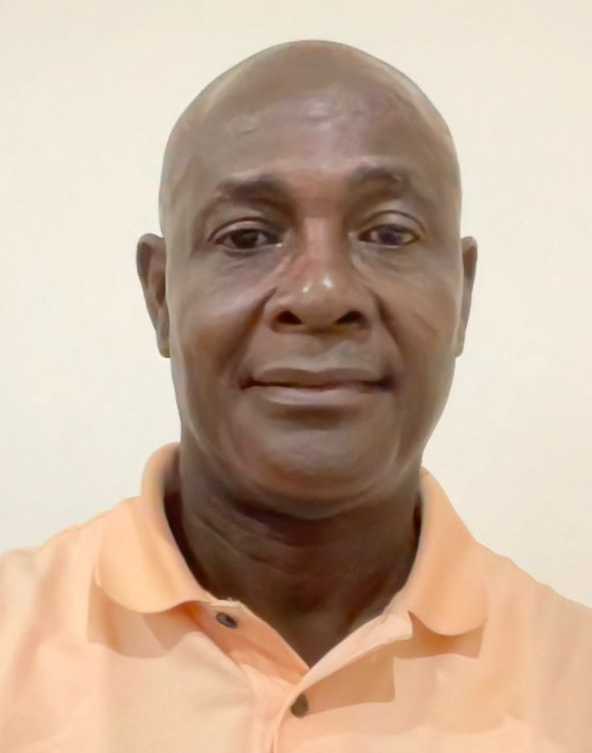
Maxwell Amoah
Director, Finance & Operations
Maxwell brings over a decade of leadership in finance and operations within the international development sector. His experience spans financial management, strategic planning, and operational oversight of donor-funded programs.
Maxwell Amoah
Director, Finance & Operations
Atobrah Papa Yaw
Fisheries Enforcement Expert
Atobrah is a seasoned fisheries governance and enforcement expert with over 30 years of experience in policy design, legal reform, and monitoring, control, and surveillance (MCS).
Atobrah Papa Yaw
Fisheries Enforcement Expert
Our Impact
Making significant strides in fisheries management, marine governance, and community development
Advancing Fisheries Management and Marine Governance
- Supported Ghana's national efforts to recover small pelagic fish stocks through key interventions, including a three-year moratorium on new entrants, the implementation of closed seasons, and the reclassification of the artisanal sector to improve management of fishing effort.
- Provided technical and logistical support for fisheries research and science-based decision-making, notably contributing to the 2022 and 2023 stock assessments for small pelagic stocks, a comprehensive gear audit, the 2022 Canoe Frame Survey, and impact assessments for the closed season.
- Supported key actions leading to the establishment of Ghana's first Marine Protected Area (MPA) in the Greater Cape Three Points area.
- Played a key role in the operationalization of Ghana's Co-Management Policy, resulting in the formation of co-management structures at national, regional, and community levels.
Combating Illegal, Unreported, and Unregulated (IUU) Fishing
- Played a critical role in efforts to curb IUU fishing in Ghana's marine sector through multiple targeted initiatives.
- Supporting enforcement of ministerial directives on trawl gear usage, including monitoring of days spent at sea.
- Piloted electronic monitoring systems (EMS) on industrial trawl vessels to improve real-time compliance at sea.
- Facilitated the establishment and capacity strengthening of over 30 community-based co-management committees along Ghana's coastline to support shared stewardship of marine resources.
Empowering Women and Strengthening Livelihoods
- Trained over 4,000 fish processors, predominantly women, in hygienic post-harvest handling, resulting in measurable reductions in post-harvest fish losses, improved food safety, and increased product value.
- Directly impacted over 10,000 individuals through targeted interventions in livelihood support, environmental restoration, capacity building, and improved access to services.
- Enhanced livelihoods for 5,000 youth through vocational skills training, trade facilitation, and business management skills.
- Fostered safer and more accountable fisheries communities through training of over 10,000 fishers and community members on preventing Gender-Based Violence, Child Labor, and Child Trafficking.