Programs & Initiatives
Strategic Priorities (2025-2029)
To maximize impact and ensure alignment with national and global development goals, GFRA has identified three strategic priorities for 2025–2029. These priorities reflect our commitment to inclusive, sustainable development and build on our core strengths and partnerships.
Sustainable Fisheries Governance and Marine Biodiversity Conservation
Supporting Ghana’s fishing communities and marine ecosystems
GFRA is committed to advancing sustainable fisheries management and marine biodiversity conservation as interlinked priorities essential to food security, livelihoods, and ecosystem health. Our approach aligns with global best practices and promotes a balanced integration of ecological sustainability and socio-economic well-being. Working in partnership with government institutions, civil society, and academia, we advocate for transparent, inclusive, and science-based governance systems.
- Sustainable Fisheries ManagementImplementing science-based policies and practices that maintain fish stock levels, prevent overfishing, and protect marine biodiversity
- Co-ManagementEnsuring transparent, equitable, and science-based management of marine resources through inclusive governance structures
- MPA Establishment and Management Promoting stakeholder engagement and co-management in the creation and maintenance of Marine Protected Areas
- Transparency and Accountability I Prioritizing transparency, accountability, and enforcement as essential components of effective fisheries management
- Community Stewardship and Capacity BuildingBuilding the capacity of local communities and institutions to manage protected areas through participatory planning
- Biodiversity ConservationSupporting broader conservation efforts to protect sensitive coastal and marine ecosystems
Post-Harvest Management, Nutrition, and Food Safety
Enhancing the quality, safety, and value of fish products
Our strategy focuses on enhancing storage, processing, and handling practices to minimize spoilage and maintain high product quality. GFRA introduced the Safe Fish Certification and Licensing Scheme (SFCLS) to encourage hygienic processing practices, reducing microbial and chemical contamination in fish products. SFCLS prioritizes facility enhancements and compliance with hygienic standards, while improving market access, streamlining regulatory requirements and avoiding complex documentation—without compromising on consumer safety.
Post-Harvest Improvements
Supporting the adoption of improved storage infrastructure, hygienic processing technologies, and packaging innovations to reduce spoilage and enhance product quality
Food Safety Promotion
Implementing the Safe Fish Certification and Licensing Scheme (SFCLS) to help processors meet hygienic standards without complex paperwork
Nutrition-Sensitive Interventions
Incorporating nutrition education into post-harvest programming to encourage the consumption of fish as a vital protein source
Marketing and Market Access
GFRA strengthens the capacity of fish processors and traders to access higher-value markets by supporting branding, labeling, and packaging innovations. We facilitate participation in trade fairs, networking events, and digital marketing platforms to improve bargaining power for small-scale processors.
Capacity Building
Tailored training programs focus on food hygiene, traceability, record-keeping, and quality assurance practices. Special attention is given to building the technical and business skills of women and youth processors, including mentorship and peer learning exchanges.
Gender-Responsive and Resilient Communities, Youth, and SME Development
Strengthening coastal communities through sustainable development
Recognizing the pivotal role of youth, women, and small businesses in driving inclusive and sustainable economic transformation, GFRA prioritizes youth employment, SME development, and gender-responsive community resilience as strategic pillars of our work. We foster entrepreneurship, build capacity, and expand opportunities in coastal economies by creating pathways for meaningful, long-term engagement of young people and women in development.
Livelihood Diversification
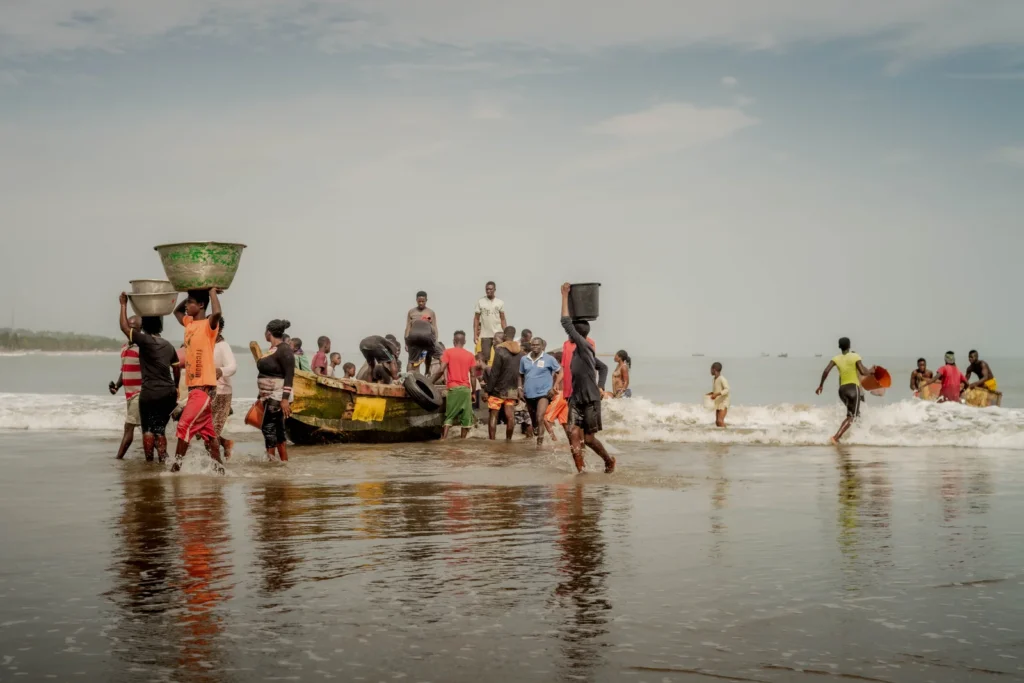
Our Livelihood Improvement strategy supports millions of livelihoods globally. By enhancing the economic well-being of fishing communities through skill development, financial support, access to markets, and alternative income-generating activities, we strengthen their resilience against economic and environmental challenges.
- Business skills training programs
- Access to finance initiatives
- Market linkage support
Gender, Vulnerability, and Inclusive Governance
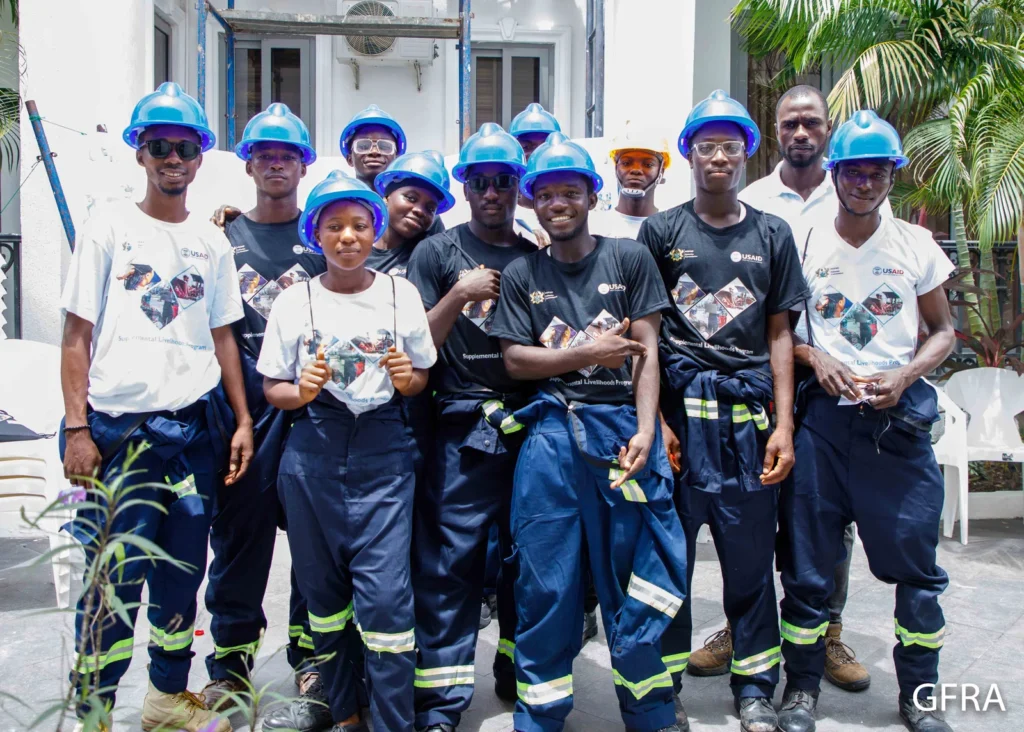
GFRA integrates gender equality, social inclusion, and vulnerability-responsive approaches across all our programs. We implement targeted interventions that empower women, youth, children, and other under-served groups and communities to actively engage in economic activities and decision-making.
- Gender-responsive programming
- Awareness campaigns and dialogues
- Educational initiatives
Youth Employment Programs
Equipping young individuals with the skills, tools, and support needed to thrive in the workforce.
- Vocational training
- Job readiness workshops
- Mentorship programs
SME Development
Promoting the growth of small enterprises as engines of local economic development.
- Access to finance
- Business development services
- Market linkages
Innovation and Entrepreneurship
Cultivating a vibrant entrepreneurial ecosystem focused on technology and innovation.
- Startup support
- Digital skills training
- Innovation challenges
Our Approach
How we design and implement effective programs that create lasting impact
Evidence-Based Strategies
We integrate research, data, and local knowledge to inform program design and implementation, ensuring our work addresses root causes and delivers measurable impact.
Collaborative Implementation
We work hand-in-hand with communities, government agencies, and other stakeholders to ensure programs are locally relevant, inclusive, and sustainable beyond our direct involvement.
Adaptive Management
We continuously monitor, learn, and adjust our programs based on evolving conditions, emerging opportunities, and lessons learned from implementation.