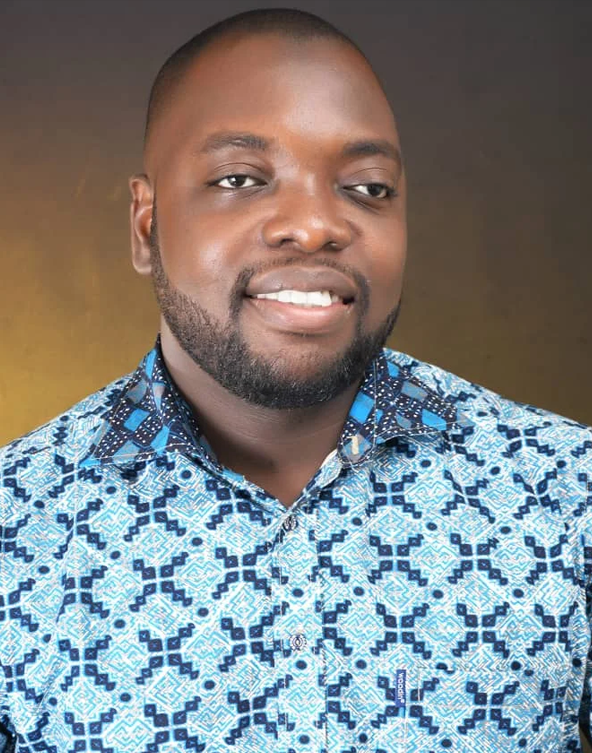
Socrates Segbor
Country Director, GFRA
Socrates is a fisheries policy and management expert with over 15 years of experience in Ghana's fisheries sector. He has a proven track record of building strong relationships with government, civil society, and academia to advance decision-making on sustainable fisheries measures
Socrates Segbor
Country Director, GFRA
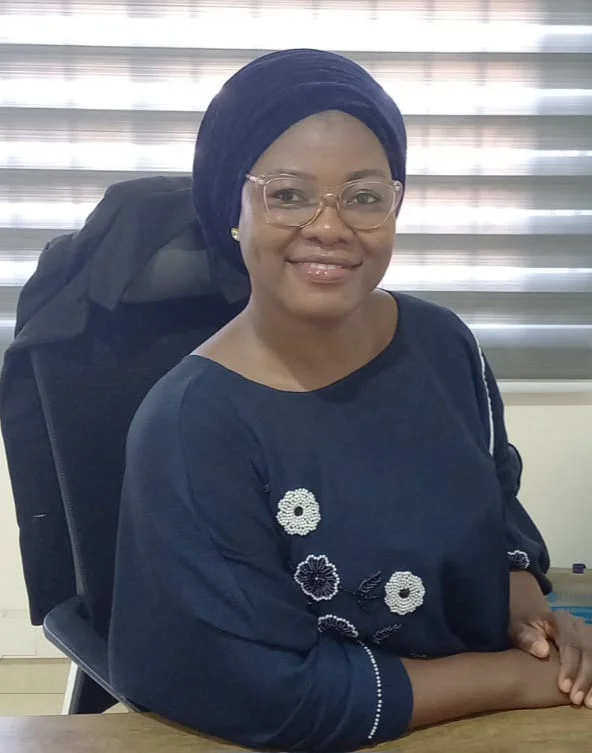
Baviina Safia Musah
Director, Gender-Inclusive Development
Baviina is a development practitioner with 17 years of professional experience in rights-based programming. She has worked extensively on project formulation, inclusive programming, and organizational development for state and non-state actors.
Baviina Safia Musah
Director, Gender-Inclusive Development
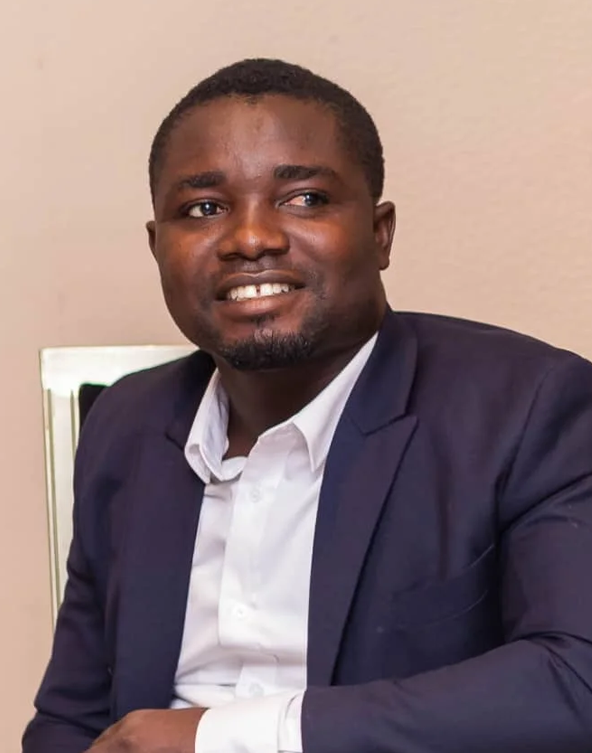
Emmanuel Kwarteng
Director, Post-Harvest Systems
Emmanuel is a seasoned fish post-harvest and market systems development expert with over a decade of experience in fisheries project design, quality assurance, private sector engagement, and international trade.
Emmanuel Kwarteng
Director, Post-Harvest Systems
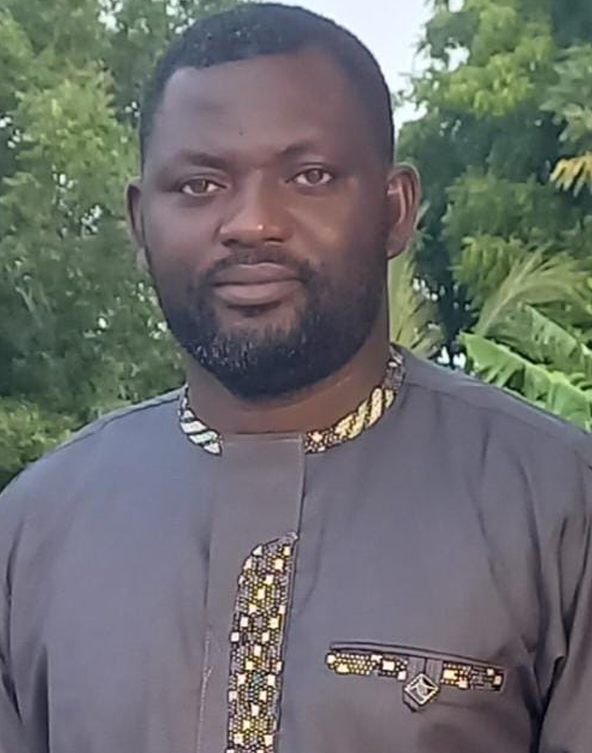
Maxwell Amoah
Director, Finance & Operations
Maxwell brings over a decade of leadership in finance and operations within the international development sector. His experience spans financial management, strategic planning, and operational oversight of donor-funded programs.
Maxwell Amoah
Director, Finance & Operations
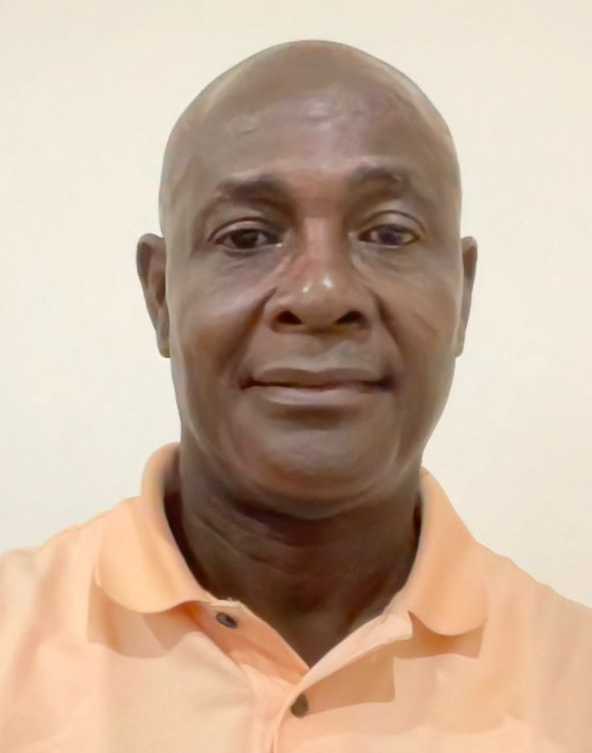
Atobrah Papa Yaw
Fisheries Enforcement Expert
Atobrah is a seasoned fisheries governance and enforcement expert with over 30 years of experience in policy design, legal reform, and monitoring, control, and surveillance (MCS).
Atobrah Papa Yaw
Fisheries Enforcement Expert
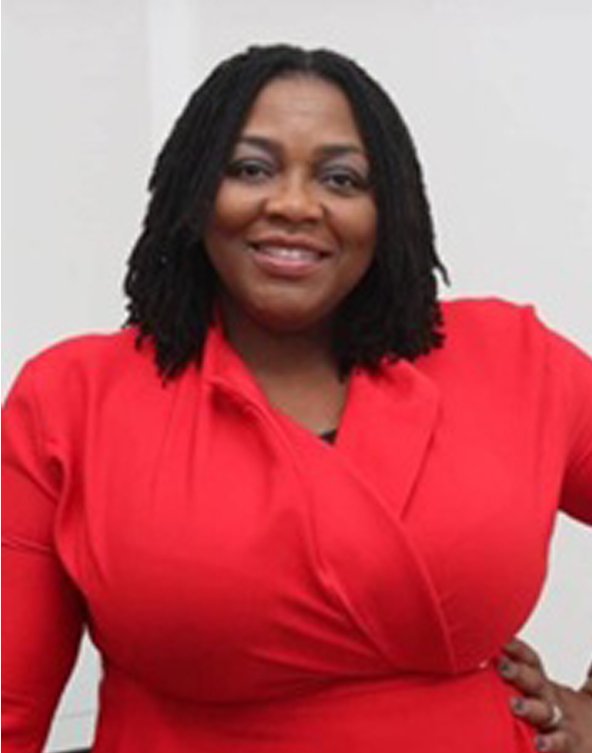
Jessica Nkansah (PhD)
Board Chair
Jessica Aku Nkansah is a distinguished scientist and seasoned leader with over two decades of dedicated service in food safety, standardization, and regulatory oversight. Currently serving as the Acting Director of Research and Innovation at the Ghana Standards Authority (GSA), Mrs. Nkansah demonstrates exceptional administrative and technical leadership across multiple inspection domains, including import, product, fish, and enforcement activities. Her oversight ensures the enforcement of national and international standards, safeguarding public health and maintaining Ghana's reputation in global trade.
Jessica Nkansah (PhD)
Board Chair
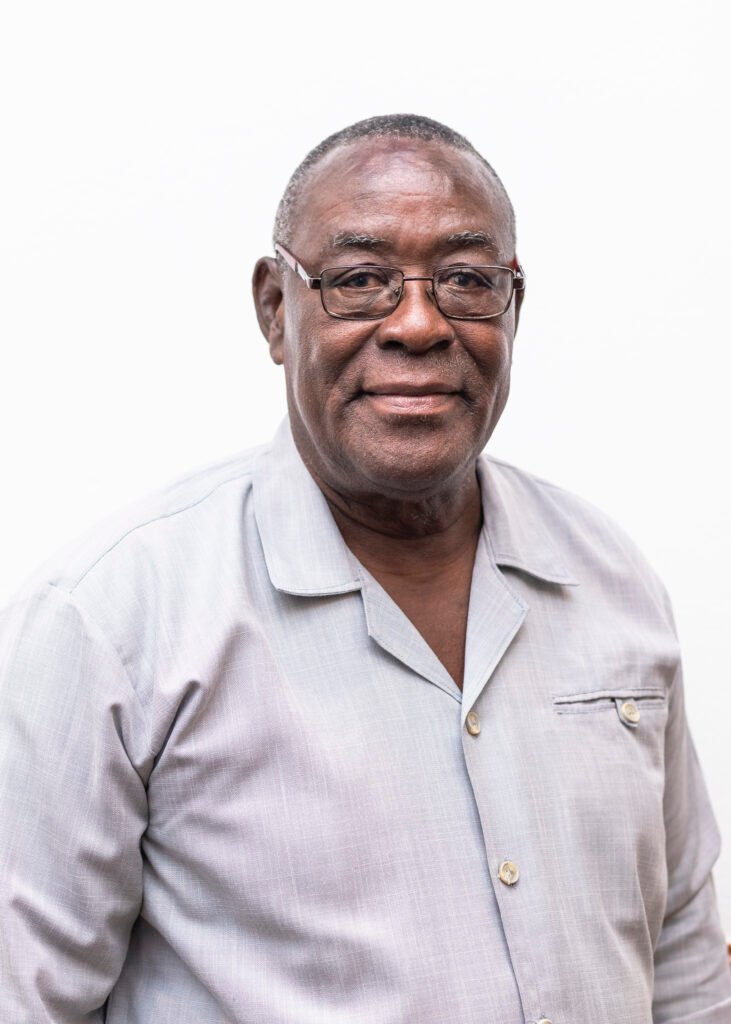
Daniel Yaw Owusu
Deputy Board Chair
Daniel Yaw Owusu is a respected fisheries practitioner and stakeholder representative with extensive experience in artisanal fisheries governance, advocacy, and community-based resource management in Ghana. As a senior member of the National Fishers Association of Ghana (NAFAG), he has played a key role in representing the interests of small-scale fishers at local, national, and regional levels, engaging constructively with government institutions, development partners, and civil society organizations.
Daniel Yaw Owusu
Deputy Board Chair
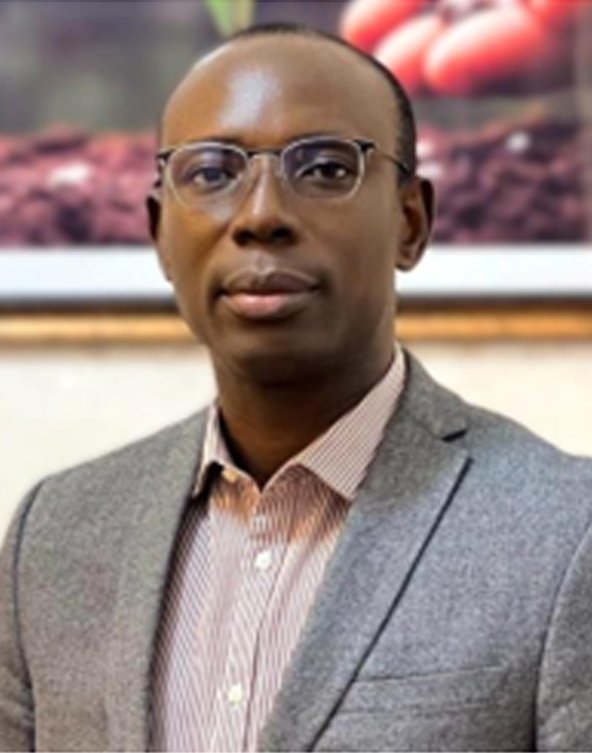
Alex Kwame Donyinah
Board Member
Alex Kwame Donyinah is a seasoned Energy Specialist and Project Management Professional with nearly two decades of experience advancing sustainable energy access across Sub-Saharan Africa. With a career spanning renewable energy market development, clean cooking systems promotion, sector policy advisory, and multisector project leadership, he has worked extensively in Ghana, Sierra Leone, Kenya, Burkina Faso, Niger, and Mali to support governments and private-sector actors in driving large-scale energy transitions.
Alex Kwame Donyinah
Board Member
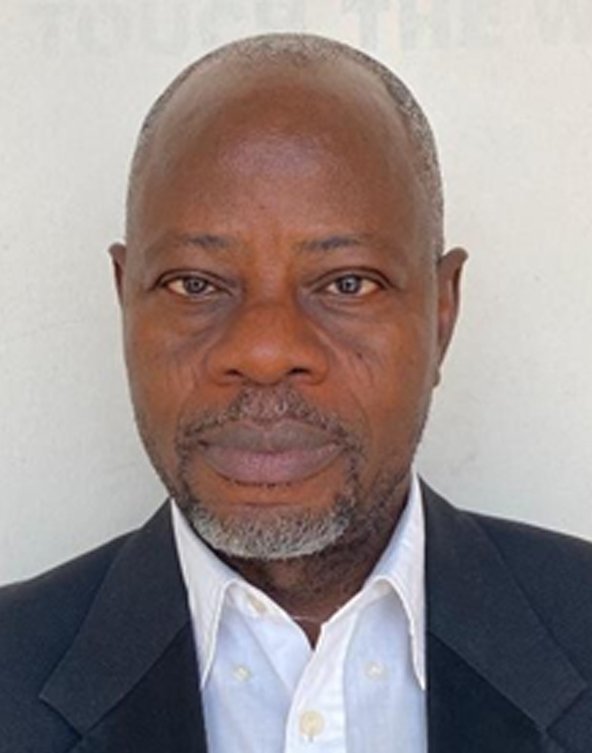
Lawrence Ndaago Ayagiba
Board Member
Lawrence Ndaago Ayagiba is a distinguished governance, audit, and public accountability expert with over three decades of professional experience in performance auditing, value-for-money assessments, and public sector oversight. He is a former Deputy Auditor-General of Ghana (2020–2025), where he led the Performance and Special Audit Department and oversaw the delivery of high-impact performance audits, including award-winning reports recognized by AFROSAI-E and the Swedish National Audit Office.
Lawrence Ndaago Ayagiba
Board Member
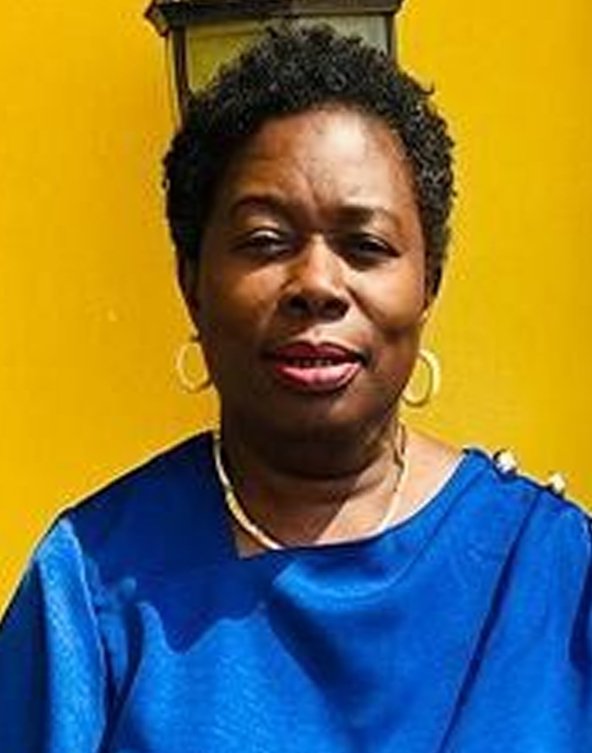
Susan Aryeetey
Board Member
Susan Aryeetey is a seasoned gender and human rights specialist with over 20 years of experience advancing access to justice, gender-based violence prevention, and the rights of women and marginalized groups in Ghana and beyond. She is the Ag. Executive Director of FIDA-Ghana, where she provides strategic leadership for national programmes focused on legal empowerment, survivor-centered justice, and institutional reform.
Susan Aryeetey
Board Member
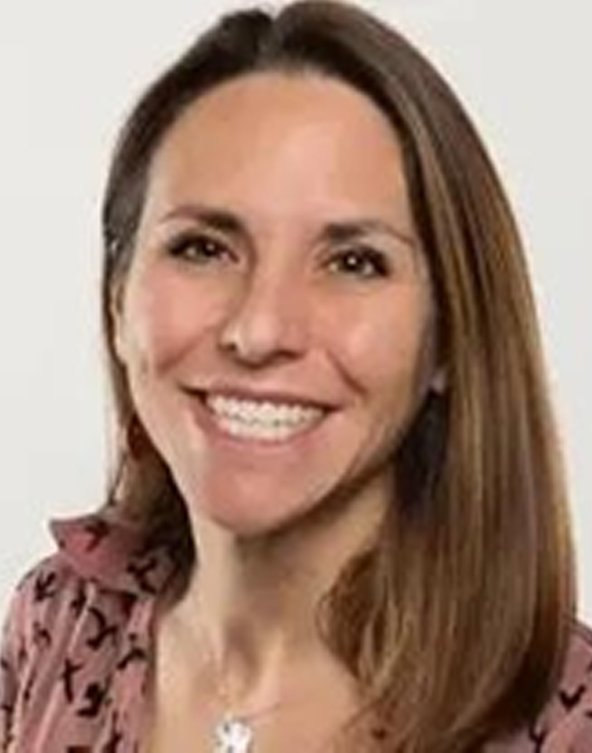
Heather April D’Agnes
Board Member
Heather April D’Agnes is a senior international development and conservation leader with over two decades of experience designing, managing, and financing large-scale programmes at the intersection of marine conservation, fisheries governance, livelihoods, and human well-being. She currently serves as Regional Director for the Southeast Asia Pacific Region at the Wildlife Conservation Society (WCS), where she provides strategic oversight for multi-country conservation portfolios and partnerships with governments, donors, and civil society.
Heather April D’Agnes
Board Member
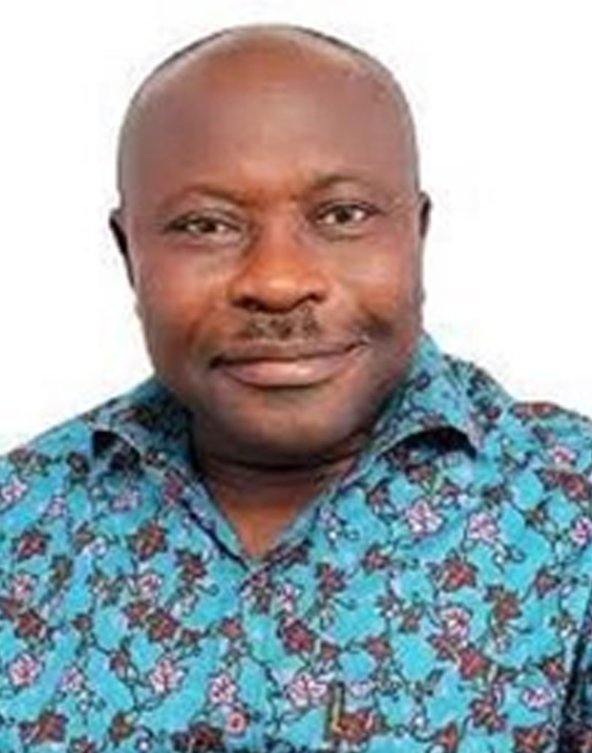
Moses Anim
Board Member
Moses Anim is a seasoned public servant and business executive with over three decades of experience spanning parliamentary leadership, ministerial service, and private sector management. He served as Deputy Minister for Fisheries and Aquaculture Development (2021–2024), where he collaborated closely with government agencies, fishing industry actors, and development partners to advance sustainable fisheries management, aquaculture development, and marine resource conservation.
Moses Anim
Board Member