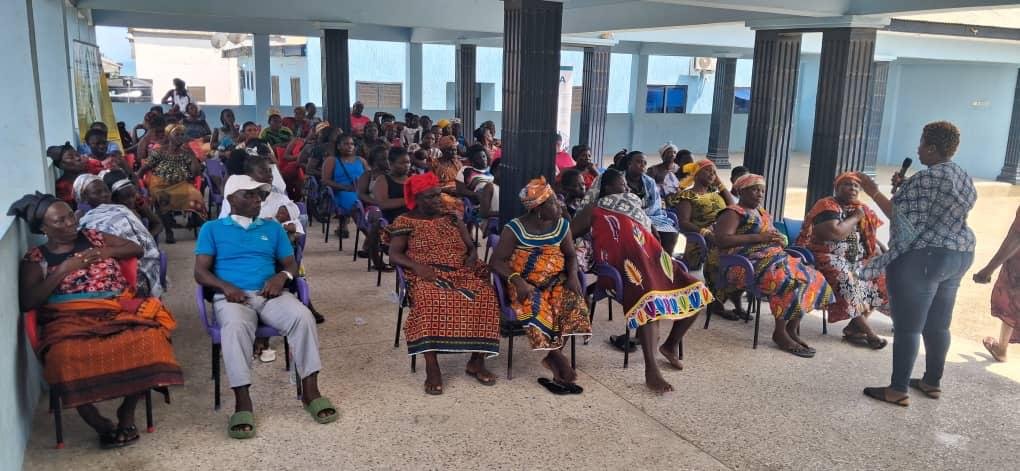
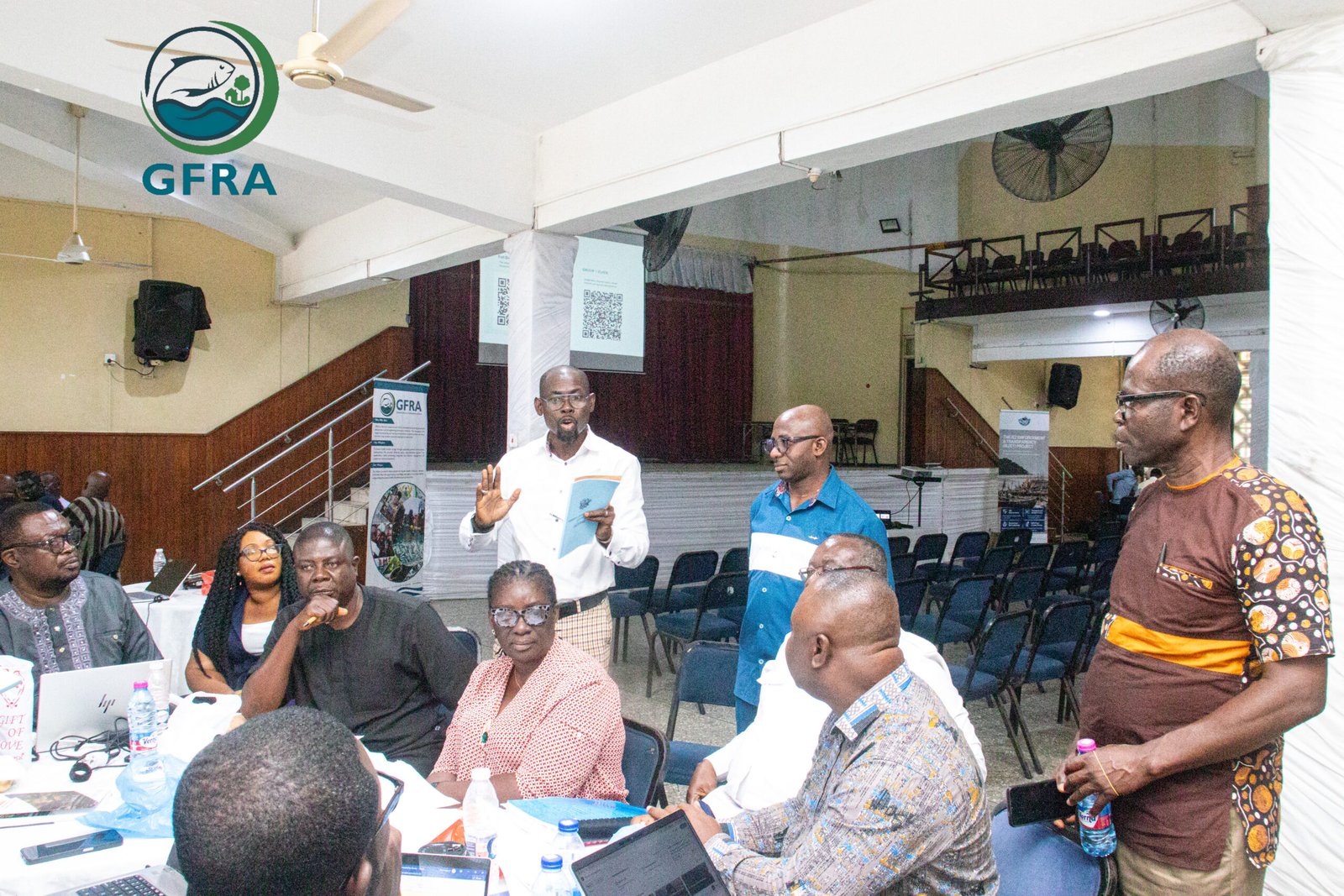
GFRA, in partnership with the Fisheries Commission (FC) and the Ministry of Fisheries and Aquaculture (MoFA), held the Greater Accra engagement to conduct an evidence-based review of the Draft Fisheries and Aquaculture (General) Regulations 2026, from 10 to 11 August 2026, at the Osu Ebenezer Presbyterian Church Hall in Accra, Ghana. The two-day engagement was convened under the World Trade Organisation (WTO)’s Fish Fund-funded project titled “Strengthening Ghana’s Compliance Mechanisms for the Implementation of the WTO Agreement on Fisheries Subsidies” and aimed to test both the legal aspects of the Draft Regulations and the practicality of their implementation.
The Greater Accra engagement involved sector associations, ministries and agencies, academia and civil-society organizations to review the draft along the themes of fisheries management, conservation and research; vessels, gear, licensing, safety, labour and ownership; MCS, IUU and enforcement; post-harvest, trade (the WTO agreement on fisheries subsidies), port measures and tuna; aquaculture, mariculture, environment and spatial management.
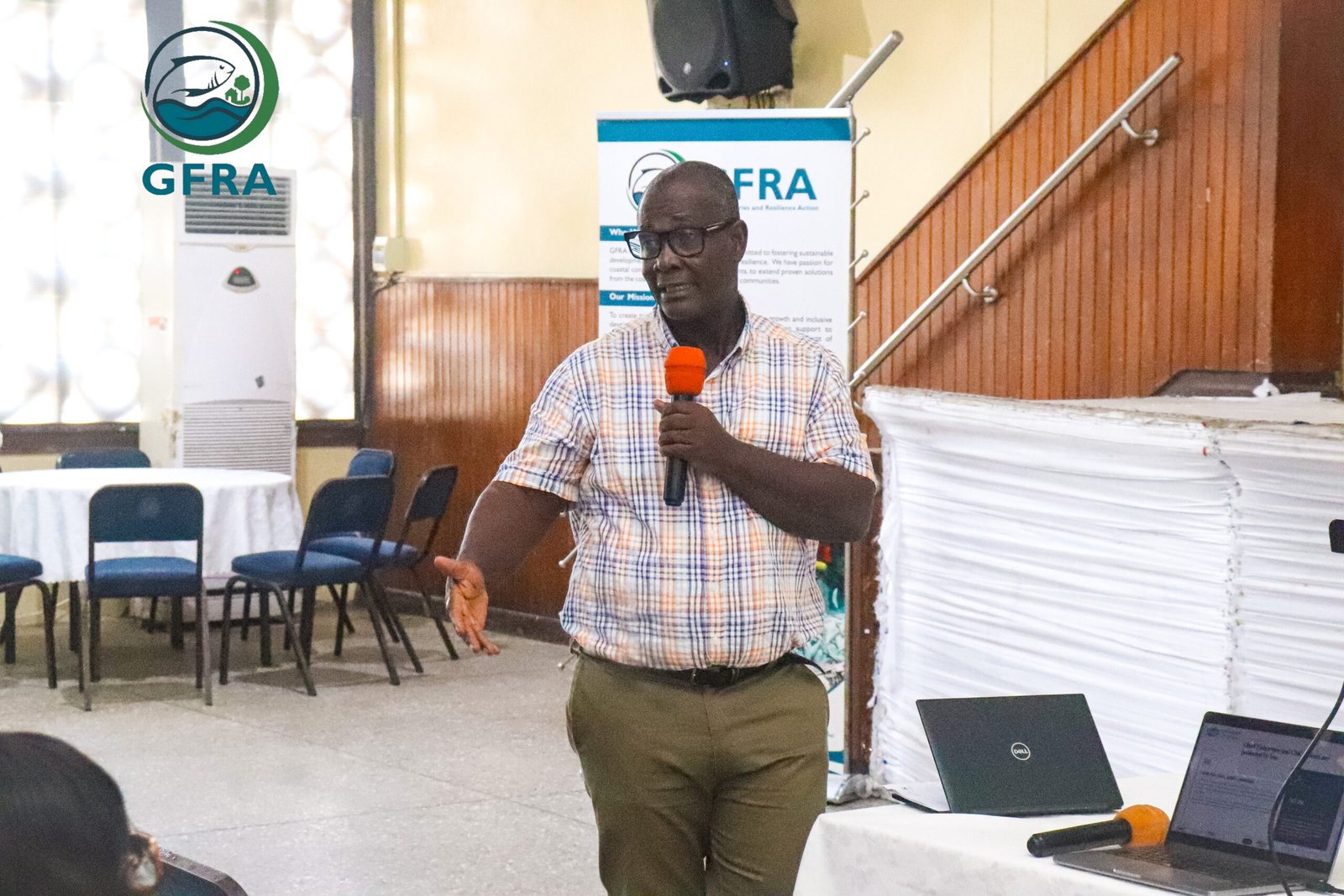
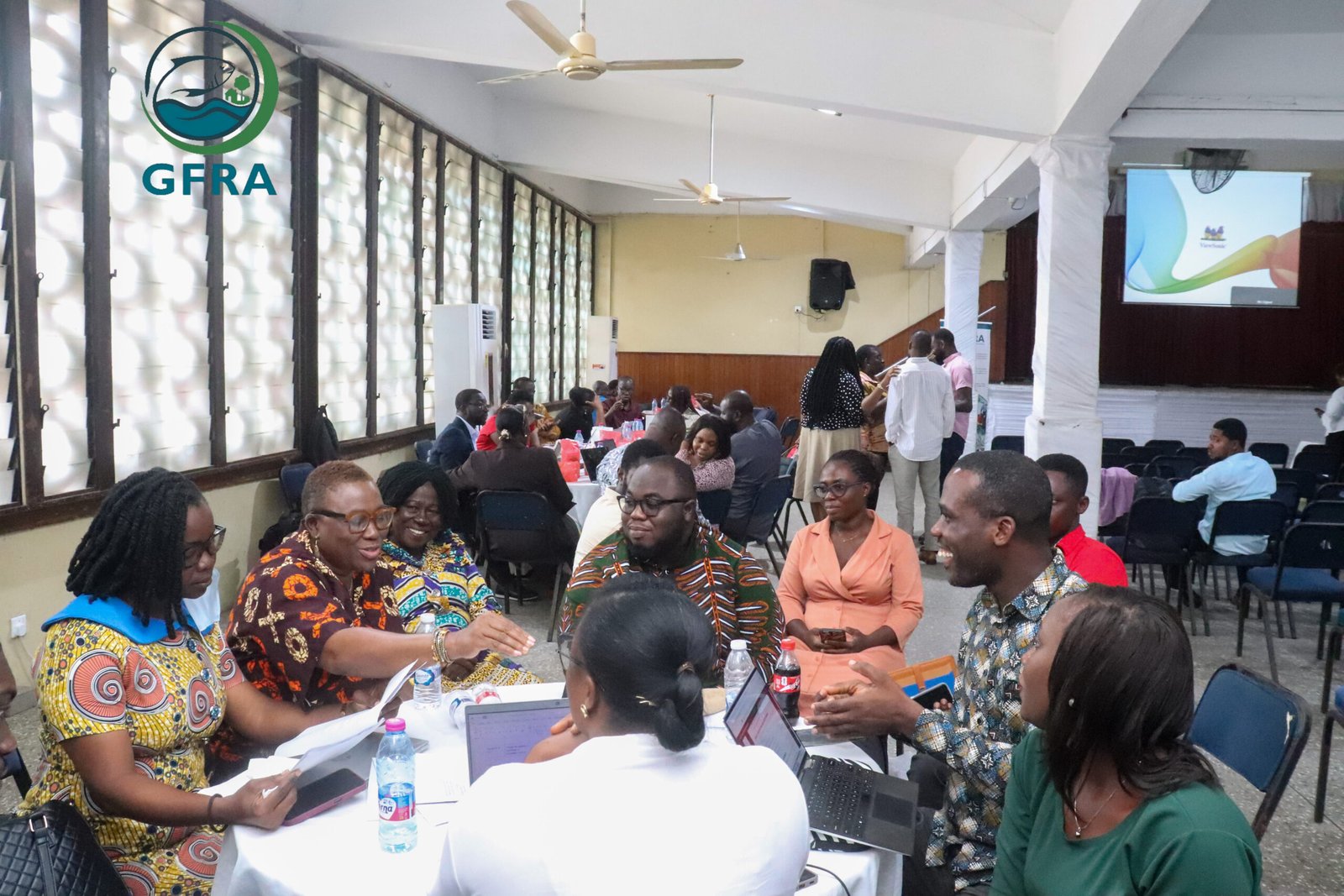
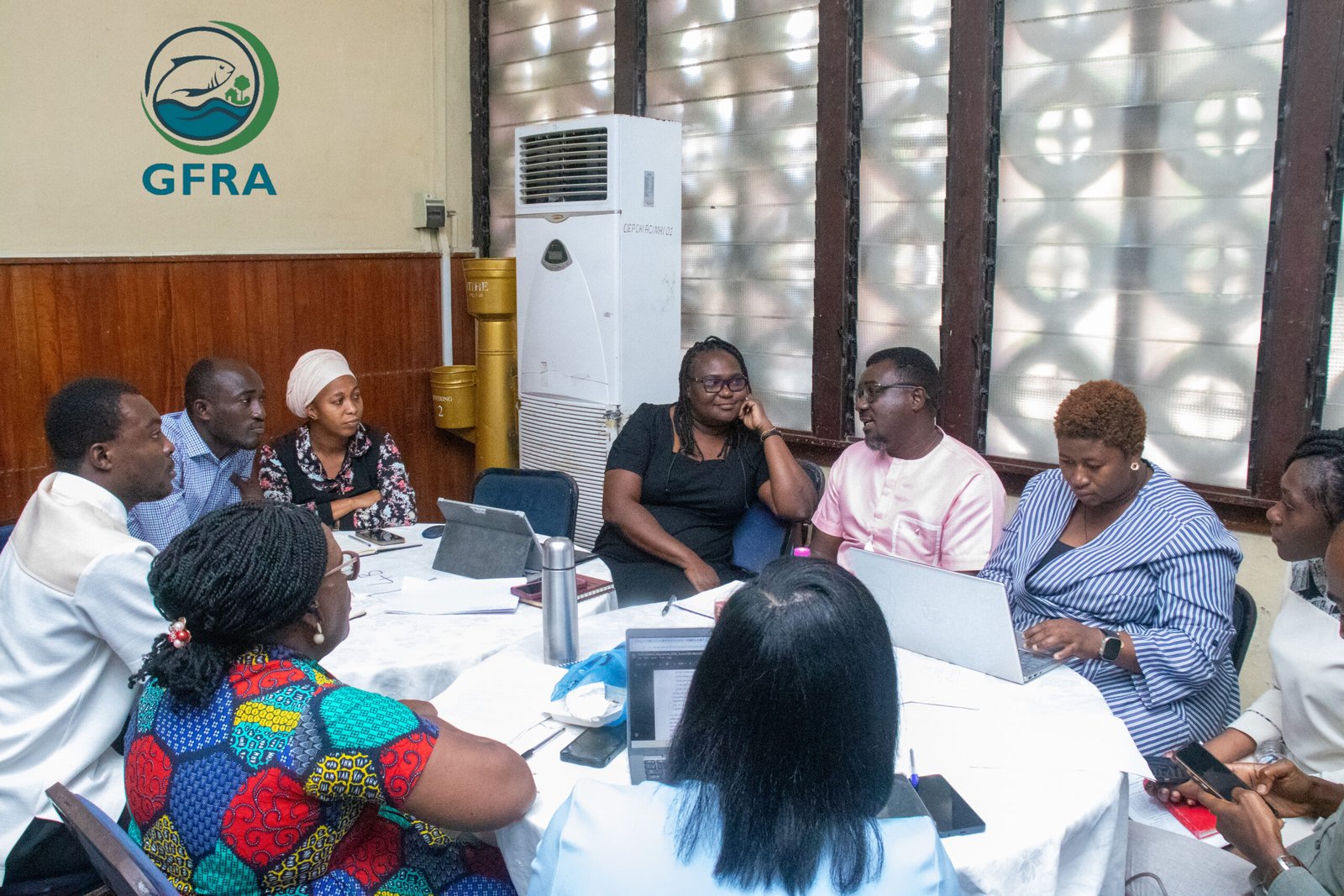
Participants included representatives of the Ministry of Local Government, Chieftaincy and Religious Affairs; Ministry of Lands and Natural Resources; Ministry of Transport; Ministry of Labour, Jobs and Employment; Ministry of Gender, Children and Social Protection; Ministry of Energy and Green Transition; Ministry for Trade, Industry and Agribusiness; Ministry for Tourism, Culture and Creative Arts; Ministry of Environment, Science and Technology; Ministry of Works, Housing and Water Resources; Ministry of Food and Agriculture; Attorney-General’s Department of the Ministry of Justice; National Development Planning Commission; Ghana Maritime Authority (GMA); Ghana Ports and Harbours Authority; Food and Drugs Authority (FDA); Ghana Standards Authority; Environmental Protection Agency (EPA); Ghana Navy; Marine Police; Forestry Commission; Wildlife Division; Petroleum Commission; Ghana Tuna Association (GTA); Ghana Industrial Trawlers Association (GITA); Ghana National Canoe Fishermen Council (GNCFC); Oceana Ghana; Land Use and Spatial Planning Authority (LUSPA); National Fisheries Association of Ghana (NAFAG); Aquaculture Association; Chamber of Aquaculture, among others.
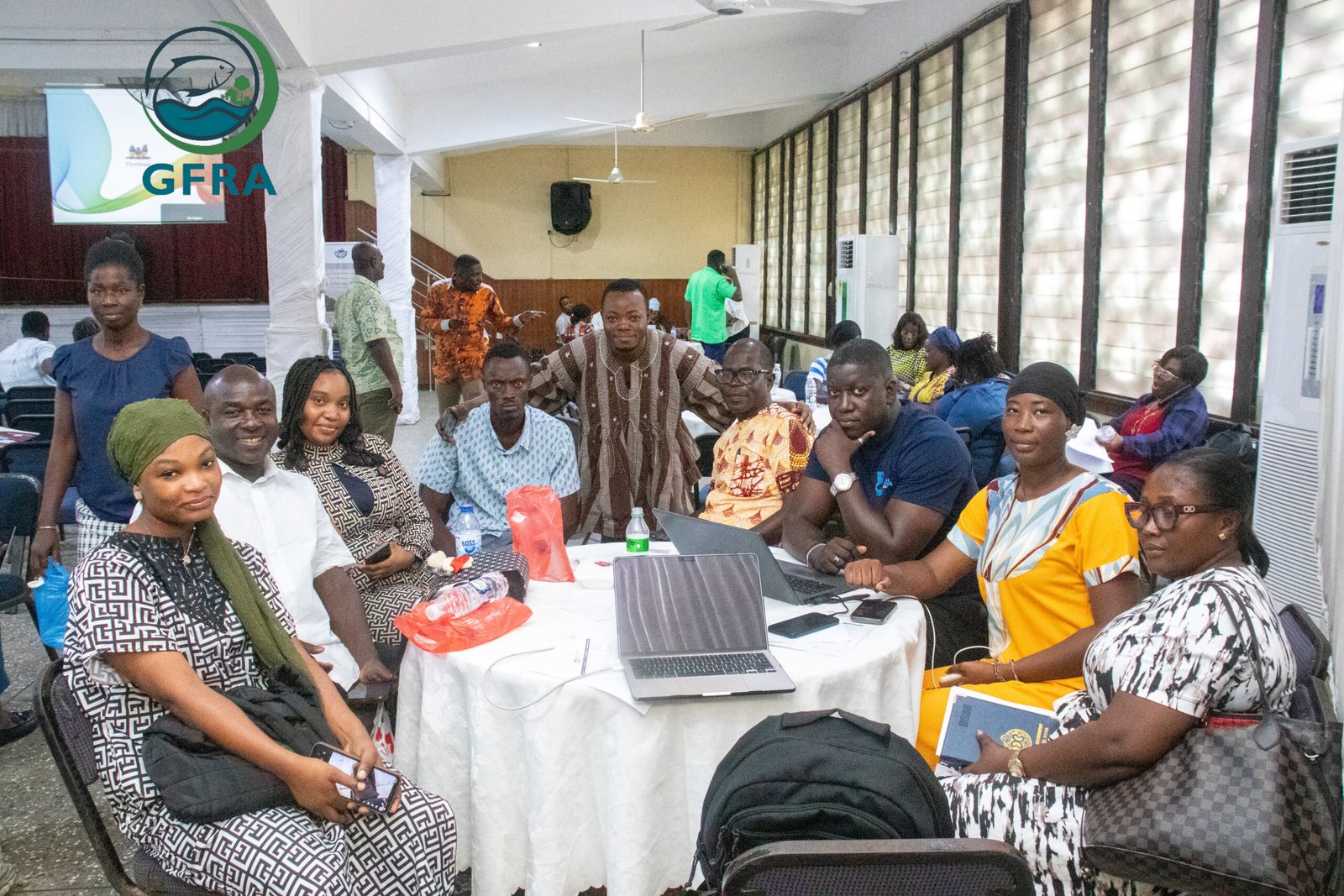
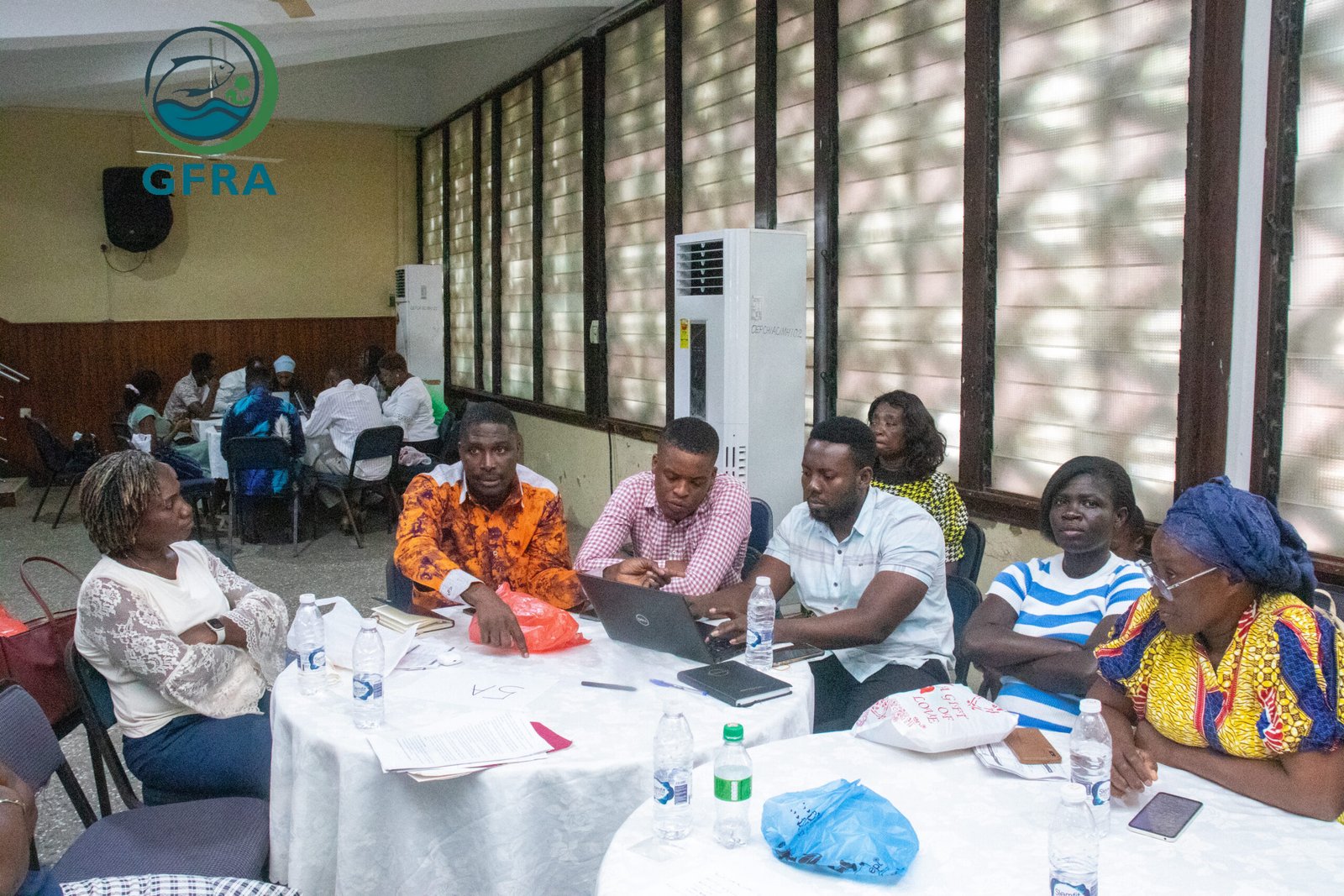
Similar to the Northern Regional Stakeholder Review workshop held earlier this year, a prioritised approach was used instead of a clause-by-clause review of the 650 regulations over the two days. A combination of a group-selected, provision-by-provision review of certain parts, together with a targeted screening of relevant cross-cutting provisions, was used to solicit feedback to complete regulation review matrices for each multistakeholder thematic group. In the ensuing plenary session, the group presenters shared the issues the group identified, the proposed amendments and the justifications for those proposals. The plenary provided a forum for all participants to jointly examine tabled amendments, seek and/or provide clarifications, entertain alternative views and record minority positions, before recording the outcome of contested review recommendations.
Over the next month, other stakeholder consultation workshops will be held, and institutions will be able to submit their comments and observations to the Fisheries Commission. In parallel, the FC will continue to solicit views from specialised groups and individual experts to consolidate into the document that will be submitted to the Department of the Attorney General. This stage of the lawmaking process is expected to conclude at the end of September 2026, after a final stakeholder workshop.